Patients often ask their dentist, “Doctor, why do my gums bleed?” Here is the main culprit behind gum disease and how you can prevent it. By understanding the main cause of gum disease, you can prevent it in its early stages.
Quick Facts
- Main cause: Bacterial plaque on teeth (90% of cases)
- Early signs: Bleeding gums when brushing
- Progression time: Gingivitis to periodontitis in 6-12 months
- Reversibility: Early stage is fully reversible with treatment
- Prevention: Brush twice daily and floss once daily.
The Primary Cause of Gum Disease
Plaque is the number one enemy of your gums. It is a sticky film of bacteria that constantly forms on your teeth. If not removed through brushing and flossing, it leads to gum disease.
Other Contributing Factors
While plaque is the main cause, these factors make gum disease worse:
- Smoking: Smokers have a 2–3 times higher risk of gum disease.
- Diabetes: Uncontrolled blood sugar affects gum health
- Genetics: Some families are more susceptible
- Stress: Weakens your immune system
- Poor nutrition: Vitamin C deficiency affects gums
- Medications: Some drugs cause dry mouth
How Plaque Causes Gum Disease
Let me walk you through this process:
Stage 1: Plaque Accumulates. When you skip brushing, plaque builds up along your gum line. These bacteria release toxins that irritate your gums.
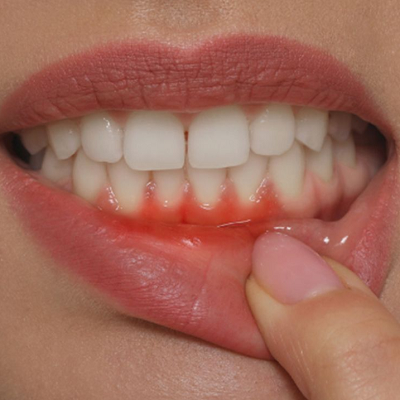
Stage 2: Gums Get Inflamed. Your gums respond to these toxins by becoming red, swollen, and bleeding easily. This is gingivitis the early stage that is completely reversible.
Stage 3: Plaque Hardens to Tartar If you don’t remove the plaque within 24-48 hours, it hardens into tartar (calculus). Your toothbrush can’t remove tartar, that’s why you need me to clean it professionally.
Stage 4: Advanced Gum Disease When tartar stays on your teeth, bacteria spread below the gum line. This destroys the bone supporting your teeth, leading to tooth loss.
Treatment Options
- Gingivitis (Early Stage): Professional cleaning + improved oral hygiene at home
- Mild Periodontitis: Scaling and root planing + antibiotics if needed
- Moderate Periodontitis: Deep cleaning + possible localised antibiotic treatment
- Advanced Periodontitis: Surgical intervention + bone/tissue grafts + ongoing maintenance
- Supportive Care: Antiseptic mouthwash, specialised toothpaste, electric toothbrush
Cost of Gum Disease Treatment in Islamabad
At Dental Clinic Islamabad, we offer comprehensive gum disease treatment at affordable prices. The cost varies based on treatment complexity.
Factors Affecting the Price:
- Stage of Gum Disease: Early gingivitis costs less, and advanced periodontitis requires more extensive treatment
- Treatment Type Required: Simple cleaning vs. surgical procedures affects cost
- Number of Teeth Affected: Localized treatment vs. full mouth treatment
- Number of Sessions: Multiple deep cleaning sessions may be needed
- Surgical Intervention: Flap surgery, bone grafts, or tissue regeneration increases cost
- Medications Prescribed: Antibiotics and antimicrobial treatments
- Follow-Up Maintenance: Ongoing care appointments every 3-4 months
For exact pricing based on your gum condition, schedule an examination at Dental Clinic Islamabad. Dr. Sundus will assess your gums and provide a comprehensive treatment plan with detailed costs.
Why Choose Dental Clinic Islamabad?
Dental Clinic Islamabad has these attributes:
- Dr. Sundus has treated thousands of gum disease cases
- Modern ultrasonic scaling equipment
- Painless cleaning techniques with proper anaesthesia
- Comprehensive gum health evaluations
- Prevention-focused approach to save your teeth
- Affordable pricing with flexible payment options
FAQS
Can gum disease be reversed?
Gingivitis (early-stage gum disease) can be completely reversed with professional cleaning and improved oral hygiene. However, periodontitis (advanced gum disease) cannot be fully reversed, but its progression can be stopped and managed with proper treatment and maintenance.
What are the warning signs of gum disease?
Warning signs include red, swollen, or bleeding gums (especially when brushing), persistent bad breath, receding gums, loose teeth, painful chewing, sensitive teeth, and pus between teeth and gums.
How can I prevent gum disease?
Prevent gum disease by brushing twice daily with fluoride toothpaste, flossing daily, using antimicrobial mouthwash, avoiding tobacco, eating a balanced diet, limiting sugary foods, and visiting your dentist every 6 months for professional cleaning and checkups.
Does gum disease cause tooth loss?
Yes, untreated gum disease is a leading cause of tooth loss in adults. Advanced periodontitis destroys the bone and tissue supporting teeth, causing them to become loose and eventually fall out.
Is gum disease treatment painful?
Most gum disease treatments are not painful. Local anaesthesia is used during deep cleaning and surgical procedures. You may experience mild soreness or sensitivity for a few days after treatment, which is manageable with over-the-counter pain relievers.