Skip to content
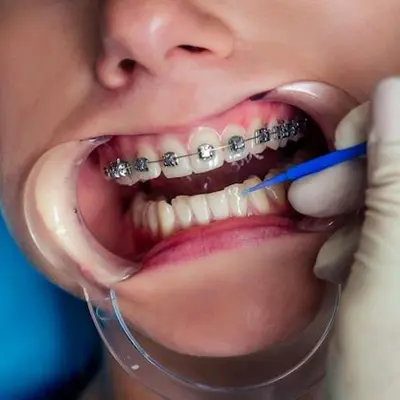
Starting the journey toward a perfect smile is exciting, but it often comes with a few physical adjustments. As your teeth begin to shift into their new positions, it is common to feel a variety of sensations. Many patients frequently ask their orthodontist: Can braces cause headaches or jaw pain?
The short answer is yes, discomfort is a natural part of the tooth-movement process. We ensure that the patient is comfortable throughout the treatment, and we always explain to you what to expect at each stage of the treatment at Dental Clinic Islamabad.
Important Facts About Orthodontic Discomfort
- The Adjustment Period: Most of the pain is experienced in the first 24 to 72 hours after braces have been put on or tightened.
- The Cause: Pain is usually linked with the forces required to move the teeth and with the biological remodelling of the jawbone.
- Referral Pain: Tension in the mouth can radiate to the temple area, resulting in headaches.
- Temporary Nature: Almost all discomfort is temporary and can be readily treated at home.
Why Does Orthodontic Pressure Cause Pain?
The brackets and wires exert a continuous, mild force on the tooth to move it. This pressure causes a process called bone remodelling to take place in which the bone surrounding the tooth root dissolves and remodels itself. This is a biological wonder, but it also produces localised inflammation.
When you ask, Can braces cause headaches or jaw pain?, you are looking at the bodies response to this inflammation. The nerves in your jaw connect to the larger nerve network in your head. When the periodontal ligaments stretch, your brain may interpret the sensation as a headache or a dull ache in the jaw joint (TMJ).
Distinguishing Between Normal Adjustment and Issues
| Feature | Normal Adjustment Period | Potential Issue |
| Duration | Lasts 3 to 5 days after tightening | Persistent pain for over a week |
| Location | General soreness in all teeth | Sharp pain in one specific spot |
| Headache Type | Mild tension at the temples | Migraine-level intensity |
| Jaw Movement | Slight stiffness when chewing | “Locking” or loud clicking of the jaw |
| Gum Health | Temporary tenderness | Bleeding or significant swelling |
Managing the Pressure
There are several methods of relieving discomfort if you are already experiencing it. Dentists at the dental clinic in Islamabad recommend a soft food diet for the first couple of days after an adjustment. Yoghurt, mashed potatoes, and smoothies require less effort from your jaw muscles.
Moreover, over-the-counter pain medications can provide great relief when patients use them properly according to the instructions of Dr Sundas Rashid Gilani. Also, cold compresses on the outside of the jaw can help to constrict the blood vessels and diminish the inflammation that causes those annoying stress headaches.
The Role of the TMJ (Temporomandibular Joint)
When the question is, can braces cause headaches or jaw pain? It is related to how the top and bottom teeth fit together when moving into the braces. Your muscles need to adapt to new ways to chew food and rest your jaw as your bite changes. If you are a tooth clencher or nighttime teeth grinder (bruxism), the stress of braces can make it worse.
Final Words!
The discomfort of moving teeth is temporary and is a good sign that your treatment is progressing. Knowing that headaches and jaw aches are part of the smiles remodelling process will help you keep your end goal in mind. After the first few months, most patients adjust, and the changes are not as challenging as they were originally.