Skip to content

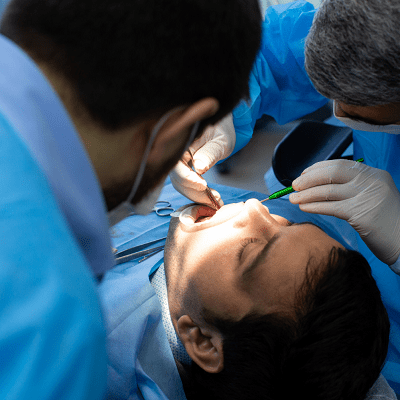
Root canal treatment in Islamabad removes inflamed or infected pulp from inside a tooth to help preserve it. The dentist cleans, fills, and seals the canals, then restores the tooth with a suitable filling or crown. A Dental Clinic Islamabad consultation begins with a diagnosis of the symptoms and tooth condition. Discuss treatment options, comfort, appointment requirements and cost before deciding to proceed.
Overview
Root Canal Treatment
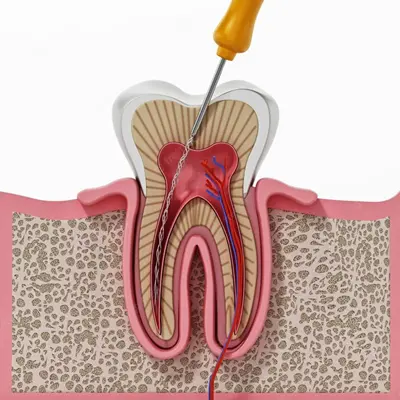
Root canal therapy, also known as endodontic therapy, treats the soft tissue inside your tooth. This tissue, called the pulp, contains nerves, blood vessels, and connective tissue. If the pulp becomes severely inflamed or infected and cannot recover, your dentist may recommend removing it to prevent further problems.
However, if the pulp is still healthy, removing it can save the tooth, and your dentist may recommend this treatment. Once the dentist completes the treatment and restores the tooth, a mature tooth can continue to function normally without its pulp. Endodontics is the branch of dentistry that focuses on these internal tooth tissues.
Root Canal Treatment Quick Facts
- Type of Procedure: Non surgical
- Purpose: Maintain and restore a pulp affected tooth
- Starting Price: PKR 20,000 per tooth
- Anesthesia: Local anesthesia
- Appointments: Typically 1 to 2, but can be more for complex cases.
- Appointment Length: Depends on the tooth and treatment required
- Duration of Treatment: 45 to 90 minutes per session
- Results: Pain relief and tooth preservation
- Side Effects: Mild tenderness, temporary sensitivity
- Benefits: Saves natural tooth, removes infection, restores function
- Long-Term Effectiveness: Long lasting with proper oral care
- Return to Work: Same day
- Follow-up Appointments: Crown fitting and healing evaluation
- Final Restoration: Permanent filling, crown or other desirable restoration
- Initial Recovery: It will probably make your foot hurt for a while.
- Clinic Location: F-7 Markaz, Islamabad
Symptoms of Root Canal Treatment
When Do You Need a Root Canal?
Not all infected teeth make their presence known by being extremely painful. Other problems become apparent when the patient is examined or after dental imaging.
Signs to be assessed are:
- A persistent toothache or pain that interrupts sleep.
- Lingering sensitivity to hot or cold.
- Gums that are swollen, tender or have a draining “bump.
- Pain when biting or chewing.
- A tooth that is significantly darker than normal.
- A broken or damaged tooth.
Common causes of pulp damage include tooth decay, deep cavities, injury and complications after previous dental treatments. They also can be caused by other things and do not mean a root canal is required.
Our team of dentists will look at the tooth, check your bite, study X-rays and test the tooth’s sensitivity to heat or pressure.
When To Seek Urgent Help From Us
Schedule the needed dental appointment for an abscess with the swelling, fever or intense toothache. Any difficulty in breathing or swallowing or significant swelling around the mouth or eye should be treated as an emergency.
8 Steps Procedure Of Root Canal Treatment
Your root canal procedure depends on the tooth’s shape, condition, and previous treatment. These are the usual root canal steps.
-
Examination & Treatment Planning
The dentist assesses your symptoms, medical history, medications and relevant imaging. The checkup always needs the tooth structure that remains to be restored and the amount of tooth support that is available.
-
Use Of Anesthesia & Isolation
Local anesthetic in the area to stop it from being painful. A rubber dam will isolate the tooth from saliva and keep your mouth safe during the procedure.
-
Access & Pulp Removal
A small opening that leads to the pulp chamber. The dentist clears out the decayed tissue in the chamber of the tooth and in the root canals.
-
Cleaning & Shaping
Canals cleaned and prepared with instruments and disinfecting solutions. For some of this process, powered instruments are used in rotary endodontics. Inquire about the best and most available approach for the tooth.
-
Root Canal Cleaning Solutions
The dentist chooses the cleaning options based on the condition of the tooth and its treatment requirements. Before publishing, the following list should be verified by the treating dentist:
- Less than 5% sodium hypochlorite (NaOCl).
- 6% sodium hypochlorite with surface modifiers.
- 2% chlorhexidine gluconate.
- Chlorhexidine 0.2% and cetrimide 0.2% solution.
- 17% ethylenediaminetetraacetic acid (EDTA).
- Framycetin sulfate.
- MTAD, a formulation containing doxycycline, citric acid, and polysorbate 80.
These are various formulations and not a combination or a list of solutions needed for each treatment.
-
Medication (if required) Between Visits
In some cases, you may need more than one appointment. Your dentist may place medication inside the tooth and cover it with a temporary restoration between appointments.
-
Filling & Sealing
The prepared canals are filled with a rubber-like material called gutta percha and a sealer.
-
Final Restoration
The tooth is sealed and protected with a permanent dental filling, a dental crown or an appropriate restoration. This is a crucial aspect of treatment.
One Appointment or Multiple Visits?
A single appointment is enough to treat some teeth. Others require more visits due to complicated anatomy, retreatment or other clinical findings. Question their full appointment schedule and if there is a separate appointment for your final restoration!
Is Root Canal Treatment Painful?
The treatment of a root canal is usually painless and effective. If you feel pain tell your dentist about it, you may feel pressure or vibration.
If you are looking for painless root root canal treatment in Islamabad, discuss your concerns before treatment. Explain any dental anxiety, previous difficulty becoming numb, or medication allergies.
This may cause temporary pain or sensitivity in the root canal. Treatment is designed to resolve pulp-related pain, but it cannot be guaranteed that the patient will be free from pain.
Benefits and Restoration
For a suitable tooth, treatment can help retain natural tooth structure and restore comfortable chewing after an appropriate restoration. It may also avoid the need for extraction and replacement.
Will You Need a Crown?
For back teeth and teeth that have a lot of structure loss, crown coverage can be beneficial. A filling might be an option for some front teeth.
Our dentist should discuss the recommended restoration, the materials used, when the dentist can place it, and the expected cost. The dentist should choose crowns or other restorations based on the tooth’s condition and the chewing forces it needs to withstand.
Benefits of Root Canal Treatment
- Helps save your natural tooth.
- Relieves pain caused by inflamed or infected pulp.
- Take care of the infection within the tooth.
- Aids in comfortable chewing.
- Maintain your natural smile.
- May not require a bridge or implant.
- Can be less expensive than tooth extraction and tooth replacement.
- With correct care you can keep your tooth in use for years and years.
How Much Does Root Canal Treatment Cost in Islamabad, Pakistan?
The price of dental root canal treatment at Dental Clinic Islamabad has been started from PKR 20,000 per tooth. Make sure of current charges and inclusions at your consultation.
The final root canal treatment cost Islamabad will vary according to the tooth, the complexity of the treatment and the type of restoration needed. It is not assumed that a starting fee is to cover all stages.
| Treatment component | What to confirm |
| Root canal treatment | Depends on each case |
| Consultation and X-rays | Included or charged separately |
| Permanent filling or core | Type and additional charge |
| Dental crown | Whether required and its cost |
| Retreatment | Separate check and estimate |
| Follow-up appointments | What is included |
Factors That Affect The Cost:
- Type and position of the tooth.
- Number and complexity of canals.
- Severity of tooth decay.
- Need for retreatment.
- Number of appointments.
- Diagnostic imaging requirements.
- Complete filling or crown.
- Specialist input as required.
Results and Recovery of Root Canal
Before & After Root Canals Results
The goal is to cure the inner issue, save the tooth and restore a good function. The results are influenced by the initial condition of the tooth, final restoration and maintenance.
Root canal before and after results can show visible changes. They can’t tell by themselves if internal healing is complete. Dentists may use the exams and follow-up X-rays to monitor progress.
Treatment cannot turn a discoloured tooth white. More restorative/cosmetic care can be discussed on a separate basis.


Aftercare and Recovery from Root Canal Treatment
Root canal recovery time varies. Temporary tenderness should subside over time, and healing around the root may take longer than the initial tenderness.
Immediately After Treatment
Do not chew until numbness has gone away. Take pain relief as prescribed and suitable to your medical condition.
Protecting the Tooth
Do not chew on the treated tooth until your dentist gives the OK. Take care around a temporary filling.
Cleaning and Follow-Up
Brush and clean between teeth. Go to the suggested review and restoration visits, even if the pain has ceased.
When To Contact With Dentist
Notify of discomforting pain, swelling, an irregular bite or a missing temporary filling. Do not assume that all symptoms will settle without review, follow individual instructions.
Root Canal Side Effects and Possible Complications
Temporary soreness can follow treatment. Less common complications include:
- Recurrent infection or chronic infection.
- A canal that is not found, or not easily accessible.
- Separation of instruments within a channel.
- Canal perforation.
- Tooth fracture.
- Irritation from cleaning solutions.
- Injury to nearby nerves, which is rare.
Removing pulp that contains nerves is different from nerve damage involving the surrounding nerves.
Other teeth may need retreatment, root end surgery or extraction. Your dentist must discuss the dangers linked to your tooth prior to treatment.
Root Canal Vs Tooth Extraction
Root Canal treatment may be a successful method to save a tooth that has a reasonable prognosis. Extraction might be indicated if a tooth is not likely to be restored.
| Consideration | Root canal treatment | Tooth extraction |
| Natural tooth | Retained | Removed |
| Suitable when | Preservation is feasible | The tooth cannot reasonably be saved |
| Further care | Permanent restoration | Possible replacement planning |
| Cost comparison | Include filling or crown | Include replacement if planned |
You may have several options to replace a lost tooth, including dental implants, bridges, or dentures. Before deciding, discuss the results you want and the steps you will need to follow after treatment.
Can a Previously Treated Tooth Be Saved Again?
Sometimes. Retreatment requires reopening the tooth, removal of old filling of the canal, canal cleaning, and refilling.
In some cases, you may need root-end surgery (apicoectomy). Your dentist can determine whether you need further treatment or a referral to an endodontic specialist.
Visit Our Dental Clinic Islamabad
Why To Go to Dental Clinic Islamabad for Root Canal Treatment?
For dental treatment, visit Dental Clinic Islamabad and then have a consultation to discuss your symptoms, treatment options and priorities.
Before proceeding, ask who will perform the procedure, how the dentist plans to restore the tooth, and what follow-up care you can expect. Discuss your comfort, scheduled appointments, and the complete treatment cost beforehand.
With a clear treatment plan, you will be able to see both the pros and cons of maintaining your tooth.
Meet Our Dentists and Oral Surgeon in Islamabad
Dr Usama Hayat Ghauri | Cosmetic, Restorative, and Esthetic Dentist
Dr. Usama Hayat Ghauri is a doctor of Dental Surgery (BDS) from Dalian Medical University, China and a certified Restorative Dental Sciences. He has completed his residency training in Operative Dentistry at SZABMU, Islamabad. He advertises root canal, tooth restoration and cosmetic dentistry as his services.
Dr Sundus Rashid Gilani | Experienced Periodontist and Implantologist
Dr Sundus Rashid Gilani is a dentist who graduated from Shaheed Zulfiqar Ali Bhutto Medical University and did her CPSP MCPS training at Federal Government Polyclinic Hospital in Periodontology. She provides treatment of gum disease, gum recession management, soft tissue procedures and implants.
Dr Ahsan Rush | Dentist & Oral Maxillofacial Surgeon
Dr Ahsan Rush is a dentist and oral and maxillofacial surgeon with qualifications of BDS and FCPS in Oral and Maxillofacial Surgery. He provides tooth extractions, implant care, jaw-related treatments, facial injury care, and root canal services.
Appointment
Get Your Root Canal Consultation in Islamabad
Don’t forget to avoid eating, sleeping and everyday activities because of tooth pain. Schedule an appointment for root canal treatment in Islamabad to figure out what is causing your symptoms and what treatment options are available.
At Dental Clinic Islamabad, you can discuss the procedure, your comfort, treatment options for restoring your smile, and the expected costs before making a decision. For more details, please call 0332 5488777 at Islamabad F7 Markaz.
FAQs:
How long does a root canal treatment take?
Root canal is a quick procedure that can be completed in 60 to 90 minutes.
What is the root canal treatment recovery time?
After a root canal, you will experience no root canal pain, but just some soreness and discomfort. Most people recover from this in less than a week; if it takes more than a week, visit your dentist.
What is better, root canal treatment RCT, or filling?
Neither root canal treatment nor a dental filling is inherently better; the preferred procedure depends upon the severity of tooth damage. Fillings are for minor decays that haven’t reached the pulp, while RCT is for saving a tooth when the pulp is infected or damaged. Your dentist will determine the best course of action by assessing the decay’s extent, often using factors like sensitivity and pain.
What happens if I delay the root canal?
Delaying a root canal can lead to increased and severe pain, worsening infection that can spread to surrounding teeth, gums, and the jawbone, and the formation of a dental abscess (a pus-filled pocket). An untreated infection can also weaken the jawbone, cause tooth loss, and make the tooth brittle and prone to breaking. Prompt treatment is necessary to alleviate pain, prevent further damage, and protect your oral health.
Do I need a crown after a root canal?
Yes, a dental crown is often needed after a root canal to protect the now brittle tooth from fracturing, but it is not always necessary. While back teeth typically require a crown due to the chewing forces they endure, some front teeth may only need a filling depending on the tooth’s location and the amount of tooth structure lost during the procedure.
Can I eat after a tooth canal?
Yes, you can eat after a root canal. However, you do need to wait till the anesthesia wears off so as not to bite your cheek or tongue.
Is it better to get an implant to a root canal?
The choice between the two depends on the condition of your tooth and other factors like costs, invasiveness, and your overall health. A root canal is a good option for preserving a damaged but still structurally sound natural tooth. On the other hand, an implant is preferable for a missing or unsalvageable tooth. Implants offer superior longevity and stability but are more invasive, take more time, and are more expensive upfront. Whereas root canals are quicker and more affordable.
Can a tooth heal itself without a root canal?
No, a tooth with an infected or severely damaged pulp cannot heal itself without professional treatment. Once the infection or damage reaches the inner pulp, the infection will not resolve on its own. Waiting to treat the infection will only cause it to worsen, potentially leading to severe complications like tooth loss or spread of the infection.
Is Root Canal Better Than Extraction?
Preservation can be considered when a tooth can be restored with a high degree of reliability. When it cannot be saved it may need to be extracted. Your dentist should discuss the prognosis and options with you.