Skip to content
You take a sip of cold water. A sharp pain shoots through your tooth. You eat something sweet. Another jolt of pain. You touch a certain tooth with your fingernail. Ouch. Your dentist says your teeth are fine. No cavities. So what is causing the pain?
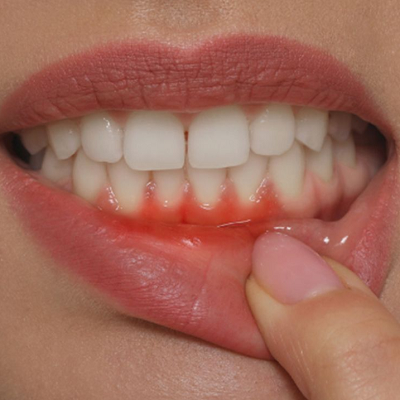
The answer may be a gum recession. When your gums pull away from your teeth, the sensitive root becomes exposed. This root is not protected by hard enamel like the rest of your tooth. Even a light touch or temperature change can cause pain.
At Dental Clinic Islamabad, our dentists treat gum recession and the pain it causes. This article explains how gum recession leads to tooth pain and what can be done about it.
What Is Gum Recession?
Gum recession is when your gum tissue pulls away from your teeth. The gum line moves down (or up on the upper teeth). This exposes the root of the tooth underneath.
Healthy gums fit snugly around each tooth. They cover the root completely. The only part of the tooth you should see is the crown. The crown is covered by hard enamel. Tooth enamel protects teeth from temperature changes and pressure. When the gum recedes, the root becomes visible. The root is covered by a much thinner layer called cementum. Cementum is not as hard as enamel. It does not protect the tooth well.
Why Are Exposed Roots So Painful?
The root of your tooth has tiny tubes running through it. These tubes are called dentinal tubules. They connect the surface of the root directly to the nerve inside your tooth.
When the root is covered by gum, these tubes are protected. When the gum recedes, the tubes are exposed. Now, anything that touches the root can travel down these tubes and reach the nerve.
This is why exposed roots are so sensitive. Cold water, hot coffee, sweet candy, a toothbrush bristle, or even cold air can trigger pain.
Common Causes of Gum Recession
There are several reasons why gums recede.
Aggressive brushing is a very common cause. Many people think hard brushing cleans better. It does not. Hard brushing wear
s away gum tissue over time. Always use a soft toothbrush and gentle circular motions.
Periodontal disease (gum disease) is another major cause. Bacteria infect the gums. The gums become inflamed. They pull away from the teeth. The bone underneath also deteriorates.
Genetics play a role. Some people are born with thin, delicate gum tissue. They are more prone to recession even with good oral hygiene.
Teeth grinding (bruxism) puts excessive pressure on teeth. This pressure can push the gums down over time.
Crooked teeth or teeth that are out of alignment can also cause recession. The gum tissue may be thinner over teeth that stick out.
How Does Recession Pain Feel?
The pain from gum recession is usually sharp and sudden. It does not linger like a cavity pain. It happens when the root is triggered and stops when the trigger is removed.
You may feel pain when drinking cold beverages. Ice water, cold soda, or even cold air can trigger it. Hot drinks like tea or coffee may also cause pain. Sweet foods like candy or fruit can be triggers. Touching the area with your toothbrush or finger can cause pain. Breathing in cold air through your mouth can also trigger it.
If you have these symptoms, you likely have gum recession. See a dentist for a proper diagnosis.
Before and After Gum recession treatment:
| Before Treatment | After Treatment |
| Sharp pain with cold drinks, avoids ice cream, sensitive to brushing, difficulty eating certain foods. | No pain with temperature changes, can enjoy cold treats, comfortable brushing, normal eating. |
How Do Dentists Diagnose Recession?
Diagnosis is simple. Your dentist will look at your gums. A small instrument called a periodontal probe is used to measure how much the gums have receded. X-rays may also be taken to check the bone level beneath the gums.
Your dentist will also tap on your teeth and test their response to cold. This helps rule out other causes of pain like cavities or cracked teeth.
Treatment Options for Painful Recession
The treatment depends on how severe the recession is and what is causing it.
For mild recession, desensitizing toothpaste can help. Special toothpastes contain compounds that block the dentinal tubules. It takes a few weeks of regular use to feel relief.
Fluoride varnish or gels can be applied by your dentist. These strengthen the exposed root surface. Multiple applications may be needed.
Dental bonding is another option. The dentist applies tooth-colored composite resin over the exposed root. This covers the sensitive area. It provides immediate relief. The bonding lasts several years.
For moderate to severe recession, a gum graft may be needed. The surgeon takes gum tissue from the roof of your mouth. They stitch it over the exposed root. This covers the root permanently. It also prevents further recession.
How to Prevent Gum Recession
Use a soft-bristled toothbrush. Never use medium or hard brushes. Brush gently in small circles. Do not scrub back and forth.
Floss daily to remove plaque between teeth. But be gentle. Do not snap the floss into your gums.
See your dentist every six months for cleanings. Professional cleanings remove plaque that you miss.
If you grind your teeth, ask about a night guard. The guard protects your teeth and gums from excessive pressure.
If you have crooked teeth, consider orthodontic treatment. Straightening your teeth can improve gum health.
Cost of Gum Recession Treatment in Islamabad
| Treatment | Price Range (PKR) |
| Dental Bonding (per tooth) | 8,000-10,000 per tooth |
| Gum Graft Surgery | 60,000 per arch |
Factors affecting the cost:
- Extent of gum recession.
- The treatment you choose.
- Clinic facilities.
Why Choose Dental Clinic Islamabad for Gum Recession Treatment
At Dental Clinic Islamabad:
- Dr. Sundus Rashid Gilani is an expert in treating gum recession.
- They offer both non-surgical and surgical options.
- They will diagnose the cause of your recession and recommend the best treatment.
- The clinic is clean, safe, and patient-focused.