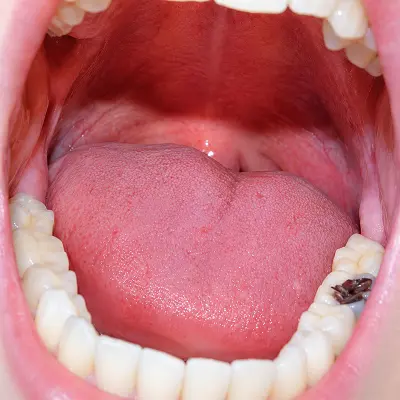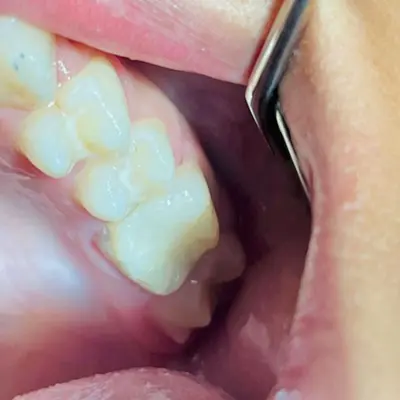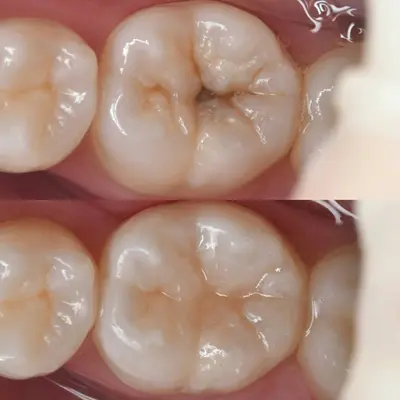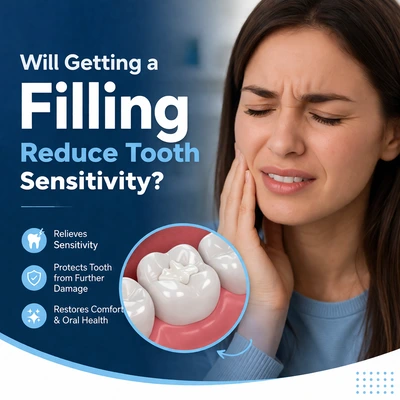
Does your tooth hurt when you eat something cold like ice cream? Does it sting when you drink something hot like tea? Tooth sensitivity can make eating and drinking uncomfortable. A dental filling might be the solution you need.
At Dental Clinic Islamabad, our expert dentists help patients understand how fillings can reduce sensitivity and protect their teeth.
Quick Facts
- Tooth sensitivity often means there is a cavity or exposed root.
- A filling covers the sensitive area so it stops hurting.
- The procedure is quick and painless with numbing medicine.
- After the filling, you can eat and drink comfortably again.
- Most fillings last for many years with good care.
Why Do Teeth Become Sensitive?
Your tooth has three layers:
- Enamel is the hard outer layer that protects your tooth.
- Dentin is the middle layer that has tiny tubes leading to the nerve.
- Pulp is the inner part with the nerve and blood supply.
When the enamel gets damaged by a cavity, the dentin underneath gets exposed. Hot, cold, or sweet foods travel through the tiny tubes in the dentin and reach the nerve. That is what causes the sharp pain of tooth sensitivity.
A filling covers the damaged area so these foods cannot reach the nerve anymore.
How Does a Filling Stop Sensitivity?
The dentist removes the decayed part of your tooth. Then they fill the hole with a special material that seals the tooth. This material acts like a barrier. Hot and cold foods cannot get to the nerve anymore.
Many patients feel relief immediately after the filling is placed.
What Happens During a Filling Appointment
Step 1: The dentist examines your tooth and takes an x-ray to see how deep the cavity is.
Step 2: Numbing medicine is applied so you feel no pain during the procedure.
Step 3: The dentist removes the decayed part of the tooth using a small drill.
Step 4: The tooth is cleaned to remove all bacteria.
Step 5: The filling material is placed into the tooth and shaped to look natural.
Step 6: The filling is hardened with a special light.
Step 7: The dentist checks your bite to make sure it feels comfortable.
How to Take Care of Your Filling
| Do | Don’t |
| Brush your teeth twice a day | Chew on hard things like ice |
| Floss gently around the filling | Bite your nails |
| Visit the dentist every 6 months | Forget to tell your dentist if it hurts |
| Tell your dentist if it feels uneven | Wait if you have pain |
What If the Sensitivity Continues After a Filling?
Sometimes, a tooth may feel sensitive for a few days after a filling. This is normal while your tooth adjusts. If the sensitivity lasts more than a week, tell your dentist.
In some cases, if the cavity was very deep, the tooth may need a root canal instead of a filling. Your dentist will explain what is best for your tooth.
Types of Fillings at Dental Clinic Islamabad
Your dentist will help you choose the best filling for your tooth.
| Filling Type | Best For |
| Tooth-colored filling | Front teeth, natural appearance |
| Silver filling | Back teeth, very strong |
| Ceramic filling | Large cavities, very natural look |
Why Choose Dental Clinic Islamabad for Fillings
- Gentle and experienced dentists who make sure you are comfortable.
- Numbing medicine so you feel no pain.
- Clean, friendly environment.
- Same-day treatment for most cavities.
- Expert care from experienced professionals.
Cost of the Dental Fillings in Islamabad
Costs vary based on the tooth’s condition and the technology used. At our trusted partner clinics, you can expect premium service.
| Procedure | Estimated Cost (PKR) |
| Dental Filling (Standard) | 8,000 per tooth |
Factors That Affect Cost
Technology Used
The cost of the CAD/CAM machine and its maintenance is factored into the procedure price.
Material Quality
The grade of the ceramic block used for the restoration affects durability and aesthetics.
Complexity of the Case
A simple inlay costs less than a full crown that covers the entire tooth.
Frequently Asked Questions
How long does a filling last?
With good care, most fillings last 5–10 years or more.
Can I eat after a filling?
Wait until the numbing medicine wears off so you don't bite your cheek. Then you can eat normally.
Why does my tooth still hurt after the filling?
Mild sensitivity for a few days is normal. If it hurts when you bite or the pain lasts, tell your dentist.
How do I know if I need a filling?
If your tooth hurts when you eat something sweet, hot, or cold, or if you see a dark spot on your tooth, visit your dentist.