The thought of a teeth extraction can feel intimidating. However, surgical extractions are common, safe, and highly effective. Dentists often recommend them when a tooth cannot be removed easily.
Whether you are dealing with an impacted wisdom tooth or a severely damaged root, understanding the procedure can significantly reduce anxiety.
The Difference Between Simple and Surgical Extractions
Many patients confuse these two procedures.
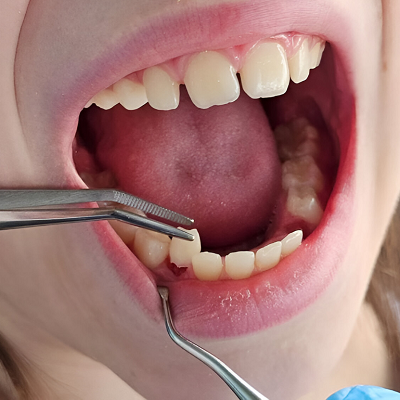
A simple extraction removes a tooth that is fully visible in the mouth. Dentists use tools like forceps to loosen and remove it quickly.
A surgical extraction, on the other hand, is more complex. Dentists perform it when:
- The tooth has not fully erupted
- It has broken at the gum line
- The roots are curved or difficult to access
In these cases, the dentist makes a small incision in the gum to safely remove the tooth. This precise approach protects nearby bone and tissue and supports better healing.
The Step-by-Step Procedure
Step 1: Local Anaesthesia and Sedation
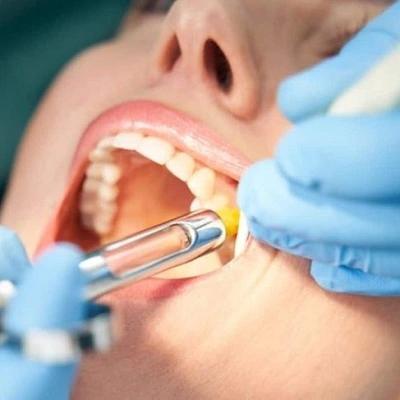
What matters most to you is what makes you comfortable. The dentist will use a local anaesthetic to put the tooth, the jawbone, and the other gums under complete numbness. You are going to be under pressure during the procedure, and you are not likely to experience any sharp pains. In the case of anxious patients, some of the methods of sedation can be offered to you, such as IV sedation or laughing gas.
Step 2: The Incision
When you are numb, make a small cut in the gum tissue. This enables the surgeon to have a clear view of the tooth and spares the healthy tissue from being torn.
Step 3: Sectioning the Tooth
The tooth is also cut into smaller pieces in most surgical cases. It is a common procedure that allows one to pull off the tooth with a smaller hole, thus causing less harm to the jawbone.
Step 4: Closing the Site
Once the tooth is extracted, the place is wiped. The majority of surgical extractions need several dissolvable stitches to seal the gum. You will be required to bite another sterilised piece of gauze to aid in the formation of a blood clot.
Professional Recovery: The Secret of Accelerated Healing
We need to move up the list and give higher-quality service by overcoming the “hidden factors” that are overlooked. They are the ranked gaps that allow your recovery to be smooth.
-
The Cold-Warm Rule of Transition
Most individuals are aware of the usage of ice, but overuse it. An ice pack should be used during the first 24 hours to avoid swelling. Nevertheless, in 24 hours, you must change to warm compresses. This causes the blood to flow faster in the area, making the natural process of repairing the tissues in the body faster.
-
The Vitamin C BoostThe Vitamin C Boost
To produce collagen, which is necessary in closing the extraction site, your body requires large quantities of vitamin C. The amount of vitamin C that you take can be increased two days before the procedure and three days after the procedure to help tremendously in enhancing the rate at which the gum closes.
-
The “No Straw” Bio-Mechanism
It is not solely on the sucking motion but on the negative pressure. The blood clots can be removed through a socket using a straw or smoking, and this results in a painful condition known as dry socket. This can even be brought about by forcible spitting. Open your mouth wide and swallow liquids slowly.
-
Managing Pain at Home
After the anaesthesia has worn off, it is only natural that there is a certain amount of discomfort. With anti-inflammatories purchased over the counter, such as ibuprofen, most patients can cope with it.
Cleaning of the area is also essential. Although it is not advisable to brush the extraction site during the first 24 hours, you may start rinsing it with warm salt water on day two. This prevents the presence of bacteria on the open wound without loosening the healing clot.
The Reason Quality is Important in Extraction
It is important to choose a clinic that has modern imaging treatment. Detailed X-rays or CT scans enable the surgeon to map out the nerves and roots before the first incision of the surgeon. In Dental Clinic Islamabad, the latest diagnostic equipment is employed in a bid to make surgical extractions as minimal as possible and patient-specific, anatomy-focused.
Final Summary!
One can get a healthier, pain-free smile by first having a surgical tooth extraction. Through the ice rule that takes 24 hours, you will get back to your usual schedule in just a few days; the use of straws and having the site clean are things that will help you to resume normal life.