A fractured tooth may seem like a minor issue at first, especially if it does not cause immediate pain. However, over time, ignoring a cracked or broken tooth can lead to serious dental and overall health complications. At Dental Clinic Islamabad, we regularly see patients who delay treatment, and as a result, they often face more complex and costly problems later. For this reason, this guide explains what happens when a fractured tooth is left untreated and why early, professional dental care is essential for protecting your oral health.
Quick Facts
- Common Causes: Trauma, biting hard foods, large fillings, teeth grinding, aging teeth
- Symptoms: Pain while chewing, sensitivity to hot or cold, intermittent discomfort
- Risk: All untreated fractures worsen over time
Specific Risks of Not Treating a Fractured Tooth
Leaving a fractured tooth untreated is a serious risk. Although the damage may start small, over time it often progresses into pain, infection, and permanent tooth loss. As a result, what could have been a simple repair can eventually turn into a dental emergency requiring urgent treatment.
1. Pain & Discomfort
Initially, you may experience mild sensitivity when chewing or drinking hot or cold beverages. However, as time passes and the crack deepens, the pain often becomes more frequent, constant, and severe. Consequently, emergency dental visits and stronger pain medications may eventually be required.
2. Infection
Once bacteria enter the tooth through a fracture, infection can develop. As a result, patients may experience:
- Dental abscesses (pus-filled infections at the root)
- Gum infection
- Sinus involvement in upper teeth
- Rare but dangerous systemic infections
3. Increased Treatment Complexity & Cost
Early treatment is usually simple and affordable. However, delaying care significantly increases both complexity and cost:
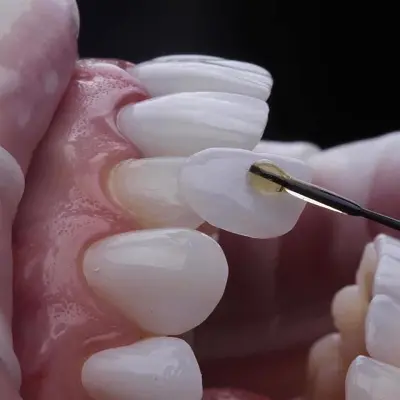
- Simple early treatment: Bonding
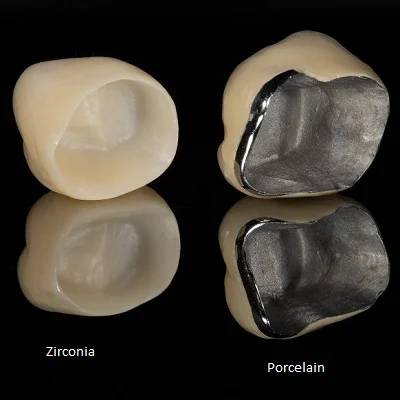
- Moderate stage treatment: Crown
- Advanced stage treatment: Root canal + Crown
- Tooth loss treatment: Extraction + Implant
4. Tooth Loss
When a fracture extends deep into the tooth, unfortunately, saving it may no longer be possible. As a result, tooth loss can occur, which in turn affects chewing efficiency, speech clarity, and the stability of nearby teeth.
5. Bone Loss
After tooth loss or prolonged infection, the supporting jawbone gradually begins to shrink. Consequently, over time, future dental implant placement becomes more difficult and, in some cases, may require additional procedures such as bone grafting.
6. Aesthetic Concerns
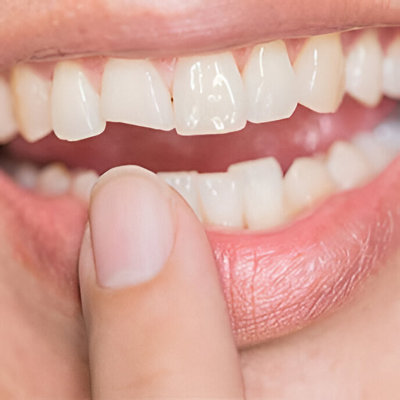
Fractured front teeth are especially noticeable; therefore, over time, visible damage can negatively impact your smile, as well as your confidence and social interactions.
The Consequences of an Untreated Fractured Tooth
Stage 1: Initial Fracture (Days to Weeks)
- What happens: At this early stage, bacteria begin to enter the inner layers of the tooth through the crack.
- Symptoms: As a result, mild sensitivity and occasional discomfort may occur.
- Possible treatment: Simple bonding or a small filling is often sufficient when treated promptly.
Stage 2: Bacterial Invasion (Weeks to Months)
- What happens: As the fracture worsens, bacteria reach the pulp, causing inflammation known as pulpitis.
- Symptoms: Patients experience sharp pain and increased sensitivity, especially to hot or cold temperatures.
- Possible treatment: Root canal therapy
Stage 3: Infection and Abscess (Months)
- What happens: If treatment is delayed further, the infected pulp dies, and pus begins to form at the tooth root.
- Symptoms: Severe throbbing pain, swelling, fever, bad taste
- Possible treatment: Emergency root canal or extraction with antibiotics
Stage 4: Spread of Infection (Months to Years)
- What happens: The infection can spread to surrounding bone or facial tissues.
- Symptoms: Facial swelling, difficulty swallowing, or even breathing problems may occur in severe cases.
- Possible treatment: In such situations, hospitalization, IV antibiotics, and surgical drainage are often required.
Stage 5: Tooth Loss and Bone Damage (Years)
- What happens: Tooth becomes non-restorable and bone loss occurs
- Symptoms: Loose tooth, gum recession, pain on pressure
- Possible treatment: Extraction followed by bone graft and implant or bridge
Treatment Options Based on Fracture Severity
| Fracture Type | Immediate Treatment | If Left Untreated |
| Craze Lines | Monitoring, possible bonding | May become stained, rarely progresses |
| Fractured Cusp | Dental crown | May break further, causing pain & sensitivity |
| Cracked Tooth | Crown or root canal + crown | Will likely split, may require extraction |
| Split Tooth | Often extraction | Infection, bone loss, affects adjacent teeth |
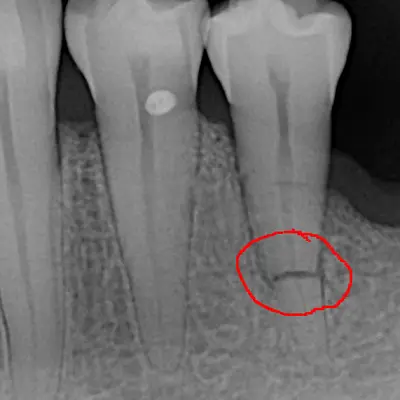
| Vertical Root Fracture | Usually extraction | Chronic infection, bone destruction |
Price of Fractured tooth treatment in Islamabad
| Procedure | Estimated Cost (PKR) |
| Dental bonding | 35,000-40,000 |
| Dental crown | 20,000 for procline |
| Root canal | 20,000 per tooth |
| Extraction+Implant | 8,000+100,000 |
Factors affecting the cost:
- Severity of the fracture
- Type of treatment required
- Technology and facilities used
Why Choose Dental Clinic Islamabad for Fractured Tooth Treatment?
- Emergency Dental Services: We accommodate urgent cases
- Advanced Diagnostics: Digital X-rays, CBCT scans for accurate assessment
- Comprehensive Solutions: From bonding to implants, all under one roof
- Experienced Dentists: Skilled in saving teeth when possible
- Pain Management: Comfort-focused care throughout treatment
- Preventive Guidance: Advice to protect your other teeth from similar issues
At Dental Clinic Islamabad, we strongly emphasize early intervention for dental fractures. If you suspect a cracked or broken tooth, then it is important not to wait until pain develops. Instead, you should contact us promptly for a professional evaluation. During your visit, our experienced dental team will carefully assess the damage. Based on the findings, we will recommend the most conservative and effective treatment. As a result, your tooth can be saved while your long-term oral health remains protected.
FAQS
What if my fractured tooth doesn't hurt?
Still see a dentist. Many serious fractures are painless initially.
How urgent is a fractured tooth?
Schedule within a few days. If there is pain or swelling, it is an emergency.
Can a fractured tooth cause headaches?
Yes, dental pain can refer to other areas, including the head and ears.
Will antibiotics fix a fractured tooth?
No, antibiotics treat infection temporarily, but don't fix the fracture.
How do dentists find hairline fractures?
Through visual exam, dye staining, transillumination, bite tests, and X-rays.
Can I wait until my next regular check-up?
No, fractures can worsen quickly. Seek evaluation sooner.
What is the worst that can happen?
Tooth loss, severe infection spreading to other body parts, and hospitalization.
Are some people more prone to tooth fractures?
Yes, those who grind teeth, have large fillings, or eat hard foods frequently.
How can I prevent tooth fractures?
Wear mouthguards for sports, avoid chewing ice/hard candy, and treat grinding.