Deciding between a dental crown and a filling is a common question. Both restore damaged teeth, but they are used in different situations. A filling repairs a small area of damage, while a crown covers the entire tooth to protect it.
At our clinic, we believe in providing clear, comparative information to help you make informed decisions about all aspects of your health and beauty. This article breaks down the differences between crowns and fillings.
Quick Facts
- Fillings: Best for small to medium cavities or minor chips.
- Crowns: Best for large cavities, cracked teeth, or after a root canal.
- Lifespan: Fillings last 5-10 years; Crowns last 10-15+ years.
- Procedure: Fillings take one visit; Crowns usually take two.
- Cost: Fillings are more affordable upfront; Crowns cost more but last longer.
- Best For: Choosing the right option depends on the tooths condition.
What Are Fillings and Crowns Made Of?
- Fillings: Can be made of composite resin (tooth-colored), amalgam (silver), or glass ionomer.
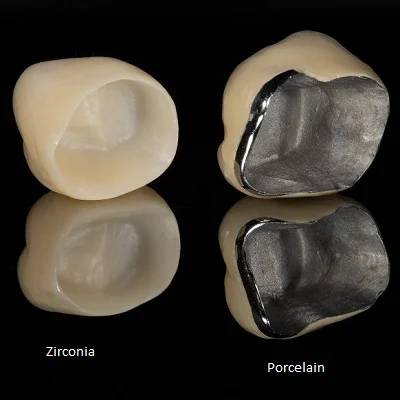
- Crowns: Can be made of porcelain, ceramic, metal alloys, or a combination (porcelain-fused-to-metal).
Factors That Affect Your Choice:
- Size of the cavity or damage
- Location of the tooth
- Tooth strength after damage
- Aesthetic preferences
- Your budget
| Tooth Condition | Best Option |
| Small Cavity | Filling |
| Medium/Large Cavity | Crown or Large Filling (depending on tooth structure left) |
| Cracked Tooth | Crown (to hold it together) |
| After Root Canal | Crown (to protect the weakened tooth) |
| Broken Cusp | Crown |
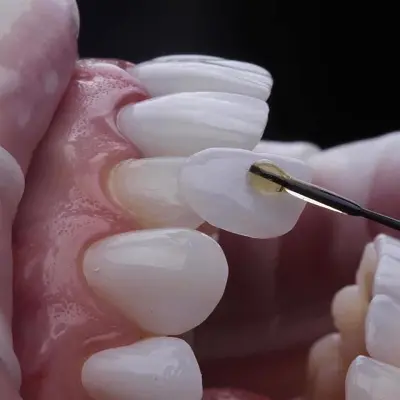
| Cosmetic Improvement (shape/color) | Crown or Veneer |
How to Decide: Filling vs. Crown
Benefits of Each Option:
| Benefits of Fillings | Benefits of Crowns |
| 1. Faster procedure (one visit). | 1. Provides maximum strength and protection. |
| 2. More affordable. | 2. Lasts longer (10-15+ years). |
| 3. Preserves more natural tooth. | 3. Looks completely natural (porcelain). |
| 4. Good for small repairs. | 4. Holds a cracked tooth together. |
| 5. Less tooth structure removal. | 5. Restores shape and function of broken teeth. |
| 6. | 6. Can be used for severe discoloration. |
| 7. | 7. Protects tooth after root canal. |
Step 1: Diagnosis
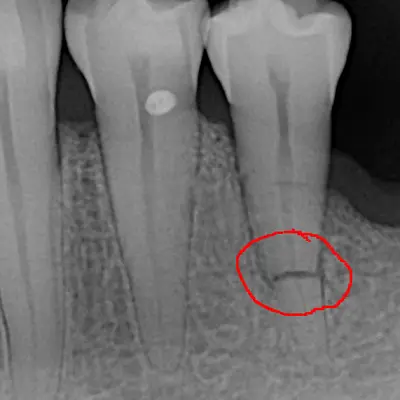
Your dentist will take X-rays to see the extent of the decay or damage. This is the most important step.
Step 2: Consider the Size
- Less than 1/3 of the tooth structure damaged? A filling is often sufficient.
- More than 1/2 of the tooth structure damaged? A crown is usually needed to prevent the tooth from breaking.
Step 3: Evaluate Tooth Strength
If the tooth is weakened from a large cavity or fracture, a crown provides a “helmet” of protection. A filling can sometimes act as a wedge and cause the tooth to crack further.
Step 4: Discuss Aesthetics
For front teeth, tooth-colored materials are always used. For back teeth, strength might be more important, though porcelain options are strong and popular.
How to Extend the Life of Your Dental Restorations:
| DO: | DON’T: |
| Brush and floss daily. | Bite hard objects (ice, pens, fingernails). |
| See your dentist for regular checkups. | Ignore sensitivity or pain around the tooth. |
| Wear a mouthguard if you grind your teeth. | Use your teeth as tools (opening packages). |
Fillings vs. Crowns:
| Aspects | Dental Filling | Dental Crown |
| Purpose | Repair small defects | Cap and protect the whole tooth |
| Lifespan | 5-10 years | 10-15+ years |
| Procedure Time | One appointment | Two appointments |
| Cost | Lower cost | Higher cost |
| Strength | Moderate | Very High |
Cost of Dental Restorations in Islamabad
| Procedure | Cost |
| Filling | 8,000 per tooth |
| Crown | 20,000 |
Factors That Affect Cost
Material Used
Composite fillings cost more than amalgam. All-porcelain crowns cost more than metal or porcelain-fused-to-metal crowns.
Size of the Restoration
A large, multi-surface filling costs more than a small, single-surface one.
Lab Fees (for Crowns)
Crowns are made in a dental lab, and the technicians fee is included in your cost.