Skip to content


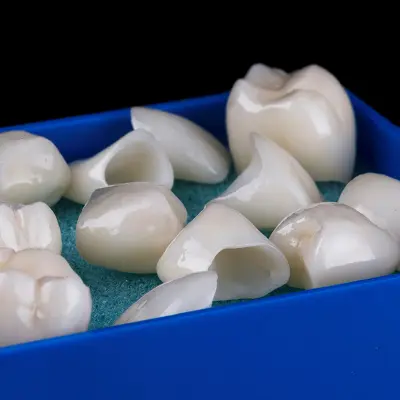
A dental crown is a prosthodontic restoration used to cover and strengthen a broken, damaged, or weakened tooth. It helps restore the tooth’s appearance, function, and strength while protecting it from further damage. However, dental crowns can become worn, damaged, loose, or poorly fitted over time, making crown replacement necessary.
It is not, as it is performed under the influence of anaesthesia. When its effects wear off, you may feel discomfort for a while. For more details regarding the crown replacement procedure in Islamabad, read this blog below
What Is a Dental Crown Replacement?
Dental crown replacement is the process of removing an existing crown and replacing it with a new restoration. The procedure may be necessary when the old crown no longer provides adequate protection or no longer fits properly.
During crown replacement, the dentist typically:
- Examines the existing crown and the tooth underneath.
- Remove the old crown carefully.
- Checks for decay, cracks, infection, or damage.
- Prepares the tooth for the new crown.
- Takes impressions or digital scans of the tooth.
- Place a temporary crown if the permanent crown is not ready.
- Fits and bonds the permanent crown during a later appointment.
A well-maintained dental crown can often last 10 to 15 years or longer, although its lifespan depends on oral hygiene, bite forces, the material used, and the condition of the underlying tooth.
Why Do You Need to Replace a Dental Crown?
A crown does not necessarily need replacement simply because it has reached a certain age. Your dentist evaluates its condition and the health of the tooth underneath it.
Loose or Poorly Fitting Crown
A crown can become loose if the dental cement deteriorates or if the tooth underneath changes. A loose crown can allow bacteria and food particles to enter underneath it, increasing the risk of decay.
Decay Under the Crown
Cavities can develop around or underneath a crown, particularly when plaque accumulates near the gumline. If the underlying tooth is affected, the crown may need to be removed so the dentist can treat the problem.
Gum Recession
Receding gums can expose part of the tooth and the edge of the crown. This can affect the appearance of the smile and may increase the risk of sensitivity or decay.
Pain or Sensitivity
Persistent pain, sensitivity, or discomfort around a crowned tooth may indicate an underlying problem such as decay, inflammation, a cracked tooth, or infection.
Bite Problems
If a crown is too high or does not fit properly with your natural bite, it may cause discomfort when chewing and place excessive pressure on the tooth.
Cracked or Damaged Crown
Crowns can crack, chip, or fracture because of trauma, teeth grinding, or excessive biting forces. A severely damaged crown may need to be replaced.
Changes in Appearance
Older crowns may become visibly different from the surrounding natural teeth. A replacement may be recommended when the crown no longer matches the appearance of the rest of your smile.
Is Crown Replacement More Painful Than Getting a New Crown?
Not necessarily.
Both procedures are performed with local anesthesia, so you should not feel sharp pain while the dentist works on the tooth. You may notice pressure, vibration, or movement while the old crown is being removed and the tooth is prepared.
The amount of discomfort can vary depending on the condition of the tooth. If there is significant decay, inflammation, infection, or gum irritation, the treatment may require additional care.
What Happens During Crown Replacement?
The first step is an examination of the existing crown and the tooth underneath it. Your dentist may take an X-ray if there is concern about decay, infection, or the condition of the tooth root.
After administering local anesthesia, the dentist removes the old crown. The underlying tooth is then cleaned and prepared for the new restoration.
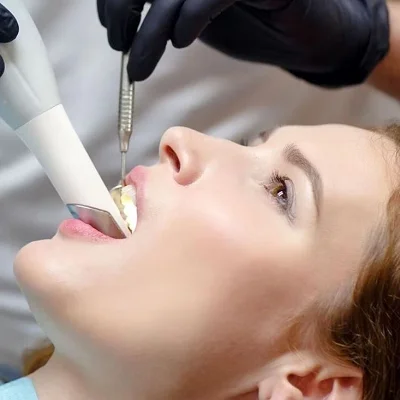
An impression or digital scan is taken to create a crown that fits the tooth and matches your bite. If the permanent crown cannot be placed immediately, a temporary crown may be used to protect the prepared tooth.
Once the permanent crown is ready, your dentist checks its fit, shape, color, and bite before permanently bonding it to the tooth.
Does a New Crown Hurt When You Bite?
Some patients notice discomfort when biting after receiving a new crown. Mild sensitivity can occur while the tooth and surrounding tissues adjust.
However, persistent pain when biting should not be ignored. One possible cause is a crown that is slightly too high and needs a minor bite adjustment. Other possible causes include inflammation or an underlying dental problem.
If your crown continues to hurt when you bite, contact your dentist so the cause can be evaluated.
Why Does My Crown Hurt Years Later?
A crowned tooth can sometimes become painful months or years after treatment. The crown itself may still appear intact while a problem develops underneath it.
Possible causes include:
- Decay around or beneath the crown
- Gum disease
- Tooth fracture
- Infection of the tooth
- Damage to the tooth’s nerve
- Excessive pressure from teeth grinding
- A loose or damaged crown
An examination and, when necessary, an X-ray can help determine the underlying cause.
Can You Get Decay Under a Dental Crown?
Yes. A dental crown protects the visible portion of a tooth, but it does not make the tooth completely immune to decay.
Plaque can accumulate around the crown margins, particularly near the gumline. Poor oral hygiene, frequent sugary foods and drinks, and gum problems can increase the risk of decay around a crowned tooth.
Regular brushing, flossing, dental check-ups, and professional cleanings can help protect both the crown and the underlying tooth.
How Long Does Crown Replacement Take?
The time required depends on the condition of the existing crown and tooth, as well as the type of replacement crown being used.
In many cases, the process involves one appointment to examine and prepare the tooth and another appointment to place the permanent crown. A temporary crown may be worn between appointments.
If the tooth has decay, infection, or another underlying problem, additional treatment may be required before a new crown can be placed.
How Long Does Discomfort Last After Crown Replacement?
Mild soreness, gum tenderness, or sensitivity to hot and cold can occur after crown replacement. For many patients, these symptoms improve within several days.
Some sensitivity may continue for up to a couple of weeks while the tooth and surrounding tissues settle. However, severe, worsening, or persistent pain should be evaluated by a dentist rather than assumed to be a normal part of recovery.
Tips for a Comfortable Recovery After Crown Replacement
Follow Your Dentist’s Instructions
Follow the specific aftercare instructions provided by your dentist.
Choose Softer Foods Initially
Soft foods can make eating more comfortable during the first few days. Avoid extremely hard or sticky foods if your dentist recommends doing so.
Maintain Good Oral Hygiene
Continue brushing twice daily and flossing carefully around the crown. Keeping the area clean helps protect the crown margins and surrounding gums.
Avoid Excessive Pressure
If you grind or clench your teeth, discuss this with your dentist. A night guard may be recommended in some cases to protect your crown.
Attend Your Follow-Up Appointment
A follow-up allows your dentist to check the crown’s fit, bite, and the health of the surrounding tissues.
When Should You Contact Your Dentist After Crown Replacement?
Contact your dentist if you experience:
- Severe or worsening pain
- Pain that does not gradually improve
- Persistent pain when biting
- Significant swelling
- A loose crown
- A chipped or fractured crown
- Persistent sensitivity
- An unpleasant taste or smell around the crown
- Difficulty chewing normally
These symptoms may indicate that the crown needs an adjustment or that an underlying dental problem requires treatment.
Crown Replacement vs. Repair: Which One Do You Need?
Not every damaged crown needs to be completely replaced. In some situations, a minor issue may be treated with an adjustment or repair.
However, replacement may be necessary when the crown is severely damaged, poorly fitting, affected by decay, or when the tooth underneath requires treatment.
Your dentist can examine the crown and determine whether repair, adjustment, or complete replacement is the most appropriate option.
Is Crown Replacement Worth It?
If an old or damaged crown is no longer protecting the tooth properly, replacing it can help restore normal chewing function and protect the underlying tooth from further problems.
The right treatment depends on the condition of the existing crown and the tooth underneath it. Your dentist can recommend the most suitable option after an examination.
Conclusion
If you are avoiding crown replacement because you are worried about pain, there is generally no need to be overly concerned. Crown replacement is performed under local anesthesia, making the procedure comfortable for most patients. Some temporary sensitivity or soreness can occur afterward, but persistent or severe pain should be checked by a dentist.
At Dental Clinic Islamabad, our dental team evaluates the condition of your existing crown and the underlying tooth before recommending replacement. If you are experiencing crown pain, sensitivity, or a loose or damaged crown, schedule a consultation to determine the appropriate treatment for your tooth.