Even after spending so much on a high-quality crown, dental pain may descend. Patients, when told that they might require a root canal under zirconia, will panic. The good news is simple. Most of the time, the dentists are able to complete the procedure without destroying the crown.
This information shows the process of treatment methods applied by dentists, and situations where the removal of the crowns is required. You will also get to know about the durability of zirconia crowns, root treatment, and the current systems of endodontic treatment that preserve your smile.
Learning Zirconia Crowns and Tooth Nerves
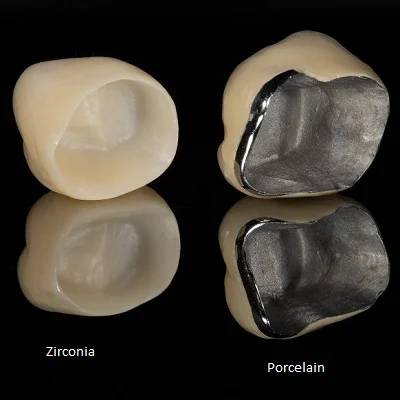
Zirconia crowns are known for their strength, durability, and natural appearance. Dentists place them to protect weakened or damaged teeth. However, a crown only covers the outer structure of the tooth. It does not protect the inner pulp from infection. If bacteria reach the pulp, they can cause pain, swelling, and sensitivity and root canal treatment becomes necessary.
Common causes of pulp infection include:
- Deep decay
- Old fillings
- Cracks in enamel
- Trauma to the tooth
Can Dentists Perform a Root Canal Through Zirconia?
Yes, in many cases, dentists perform the root canal through the existing zirconia crown. They create a small, precise access opening to reach the infected pulp chamber.
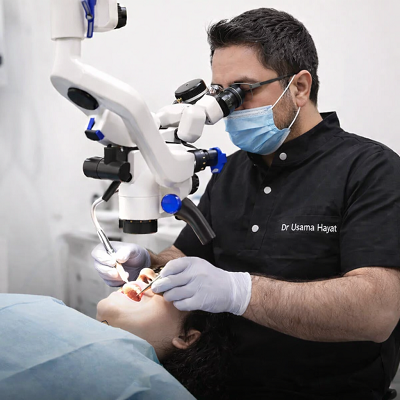
Using advanced tools such as dental microscopes and diamond burs, dentists drill carefully to protect the crown structure. This approach offers several advantages:
- Save the existing crown
- lower the total cost of treatment.
- Shorten appointment time
- to preserve chewing function
Patients postpone treatment because they have tried several treatments before, thus seeking professional care. The sooner the action is taken, the better the opportunity of preserving both the tooth and the crown.
When Is Removal of the Crown Necessary?
Whereas it is frequent to access using zirconia, there are still cases that need the removal of the crown. Dentists may take it off if:
- The crown has concealed the rot within.
- Margins are leaking
- Fractures run underneath the gums.
- The fit is poor
Dr. Usama Hayat for Treating Crowned Teeth
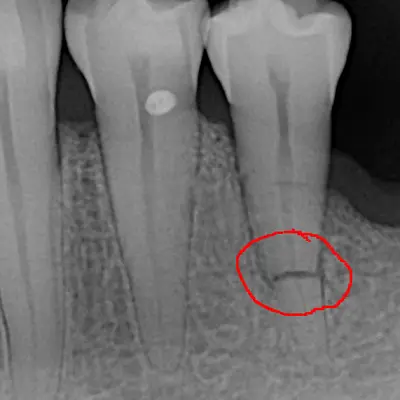
Dr. Usama Hayat Ghauri is engaged in conservative dentistry and tooth preservation in the long term. Her treatment starts with the use of digital scans and X-rays to pinpoint the location of the infection. The major steps in her process are canal microscopic evaluation.
Controlled drilling using zirconia and 100 percent canal disinfection. Covered to ensure permanence. This cautious practice helps in maintaining the health of teeth and, in addition, the longevity of crowns.
Important Details About Root Canal With Zirconia
| Factor | What It Means |
| Can the procedure be done | Yes, in most cases |
| Common method | Access opening through the crown |
| Tools used | Dental microscope, diamond burs |
| Pain level | Usually mild with anesthesia |
| Crown replacement needed | Only if damaged or leaking |
| Recovery time | 1 to 3 days |
Benefits of Keeping the Zirconia Crown
- Lower total cost
- Fewer dental visits
- Preserved bite alignment
- Swifter recovery of normal eating.
How Do Dentists Seal the Tooth After Treatment?
Once the canals have been cleaned and shaped, they are closed by dentists using biocompatible material. A strong composite is then applied in the access hole of the zirconia crown. This repair strengthens and avoids new production of bacteria. The crown is able to last for years with good care.
Advice to Take to Prevent Future Problems Under Crowns
Infection prevention of crowned teeth reduces the chances of another infection. Helpful habits include:
- Brushing twice daily
- Periodontal therapy of marginal flora.
- Using fluoride toothpaste
- Attending routine checkups
- Not chewing on ice or hard things.
Final Thoughts on Root Canal Treatment With Zirconia!
A zirconia crown does not prevent life-saving dental treatment. With modern tools and careful planning, dentists can treat infections while preserving the crown in most cases.
At Dental Clinic Islamabad, patients receive precise, comfortable, and durable care. If pain develops under a crown, early evaluation gives the best chance of saving your tooth and avoiding more complex procedures later.