A flawless smile does not always require complex dental procedures. In many cases, small cosmetic improvements can make a big difference. One of the simplest and most affordable ways to enhance your smile is dental bonding.
Many patients often ask how many teeth can be treated with this procedure. The good news is that dental bonding can be applied to a single tooth or multiple teeth during the same visit. The exact number depends on your smile goals, dental condition, and the treatment plan created by your dentist.
What Is Dental Bonding?
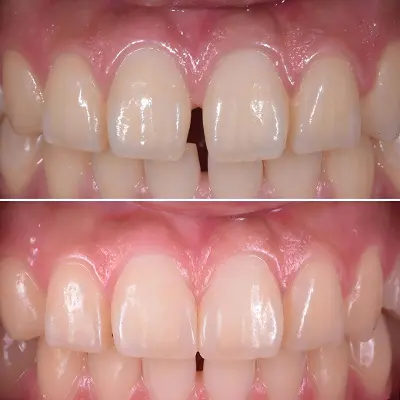
Dental bonding is a cosmetic dental procedure in which a tooth-colored composite resin is applied to the surface of a tooth. The dentist carefully shapes the material and then uses a special curing light to harden it. As a result, the treated tooth blends naturally with surrounding teeth and improves the overall appearance of your smile.
Dental bonding can help correct several cosmetic concerns, including:
- Chipped or cracked teeth
- Small gaps
- Uneven edges
- Tooth discoloration
Because the procedure is quick and minimally invasive, many people choose bonding as an easy way to improve their smile.
How Many Teeth Can Be Bonded at Once
One of the biggest advantages of dental bonding is its flexibility. Dentists can treat one tooth or several teeth during the same appointment. Typically, the number of teeth bonded depends on the type of cosmetic concern.
Common treatment ranges include:
- Minor repairs are done to 1 to 2 teeth.
- The number of teeth is treated 4 to 6 to enhance a smile.
- A full front smile makeover can treat up to 8 teeth.
Most dentists focus on the front teeth because they are the most visible when you smile or speak. Treating multiple teeth together can also create a more symmetrical and natural-looking smile.
Factors That Decide the Number of Teeth
Although dental bonding can treat several teeth at once, dentists evaluate a few important factors before deciding the exact number.
Your Smile Goals
First, the dentist considers your cosmetic goals. If you want a full smile makeover, more teeth may need bonding. However, if you only want to repair a small chip, bonding one tooth may be enough.
Condition of Teeth
Dental bonding works best on healthy teeth. If cavities, gum disease, or severe damage exist, your dentist may recommend treating those problems first.
Time Available
Bonding usually takes 30 to 60 minutes per tooth. Therefore, several teeth can often be treated in one appointment, but larger cases may require multiple visits.
Bite Alignment
Your dentist must also ensure that bonding does not interfere with your bite. Proper alignment helps prevent uneven pressure on the treated teeth and ensures long-lasting results.
Common Areas Treated with Bonding
Dentists most commonly apply bonding to visible teeth that affect the appearance of a smile.
| Area | Purpose | Result |
| Front teeth | Improve appearance | Better smile shape |
| Edges of teeth | Fix chips | Smooth finish |
| Gaps between teeth | Close spaces | Even alignment |
| Discolored teeth | Cover stains | Brighter smile |
Because of these benefits, bonding has become a popular option in cosmetic dentistry for quick smile improvements.
Benefits of Dental Bonding
Dental bonding offers several advantages compared to other cosmetic treatments.
- Rapid treatment with instantaneous results.
- No major tooth reduction
- Cheap in comparison to veneers.
- Natural-looking finish
- Painless in most cases
For many patients, bonding provides a simple and effective way to improve their smile without surgery or lengthy procedures.
Dental Bonding Lasts How Long?
Dental bonding typically lasts between 3 and 7 years. However, proper care can help extend its lifespan.
- Avoid biting hard goals
- Restrict eating and consuming.
- Brush and floss daily
- Visit the dentist regularly.
Healthy habits help protect the bonding material and keep your smile looking fresh for longer.
When Bonding Is Not Sufficient?
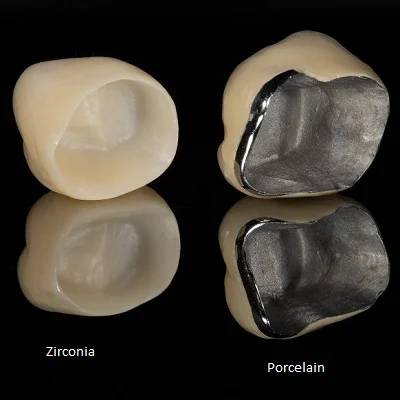
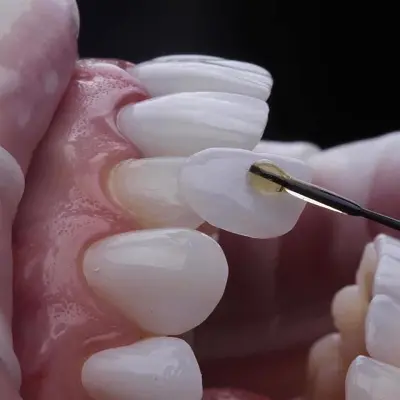
Dental bonding suits well for small or moderate changes. But it is not necessarily applicable in every case. Veneers or crowns can be more effective in these situations. You might require other treatments in case:
For example, dentists may recommend veneers or crowns if:
- There is severe tooth damage
- Large gaps need correction
- Bite issues are present
- Durability is needed in the long-term.
Is Bonding a Treatment that Can Be Used With Other Treatments?
Yes, dentists often combine dental bonding with other procedures to improve both the health and appearance of your smile.
Common complementary treatments include:
- Teeth whitening
- Orthodontic treatment
- Scaling and polishing
This combined approach helps create a complete smile design while maintaining strong and healthy teeth.
Final Thought!
Dental bonding is a versatile cosmetic treatment that can improve one tooth or multiple teeth at the same time. In many cases, dentists treat 4 to 8 front teeth to enhance the overall appearance of a smile. However, the exact number always depends on your individual needs and treatment goals.
A consultation with Dr. Usama Hayat Ghauri can help determine the ideal treatment plan for your smile. At a professional Dental Clinic Islamabad, personalized dental care ensures that the results look natural and complement your facial features.