How Long Do Teeth Whitening Results Last

A bright, white smile can improve your confidence and make your smile look healthier. However, after investing in teeth whitening in Islamabad, one of the most common questions patients ask is: “How long do teeth whitening results last?”

There is no single answer because whitening results depend on the type of treatment, your diet, oral hygiene, smoking habits, natural tooth color, and how well you maintain your smile.

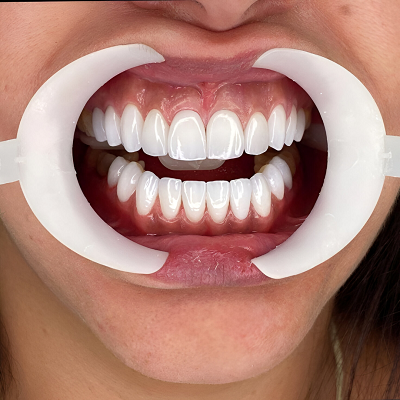
With proper care, professional teeth whitening can provide noticeable results for an extended period, but the whitening effect gradually fades as new stains develop and teeth naturally change over time.

At Dental Clinic Islamabad, we assess your teeth before whitening and recommend a treatment and maintenance approach based on your individual needs.

Quick Facts

Factor Details
Procedure Time Around 45–90 minutes for in-office treatment
Anesthesia Usually not required
Pain Level Generally comfortable; temporary sensitivity may occur
Results Visible improvement, particularly after professional treatment
Longevity Varies depending on treatment and lifestyle
Maintenance Good oral hygiene and occasional touch-ups when appropriate
Cost PKR 25,000 at Dental Clinic Islamabad

How Long Does Teeth Whitening Last?

Professional teeth whitening results can last months to several years, but the exact duration varies from person to person.

Some patients maintain their results for a long time with good oral hygiene and limited exposure to staining foods and drinks, while others may notice discoloration sooner.

The main factors include:

  • Type of whitening treatment
  • Coffee and tea consumption
  • Tobacco use
  • Diet
  • Oral hygiene
  • Natural tooth color
  • Age
  • Tooth structure
  • Existing dental restorations

Whitening does not permanently prevent new stains, so maintaining your results is an important part of long-term smile care.

How Long Does Each Teeth Whitening Treatment Last?

Different whitening methods produce different levels and durations of whitening.

Whitening Method Typical Longevity Best For
Professional In-Office Whitening Can last months to several years depending on lifestyle Faster, more noticeable whitening
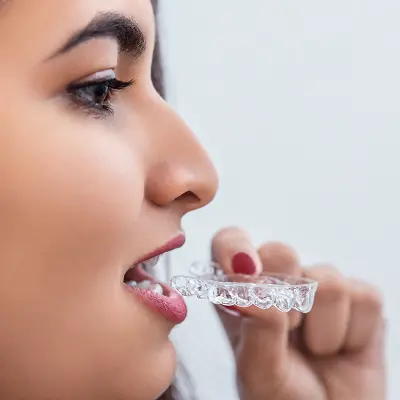
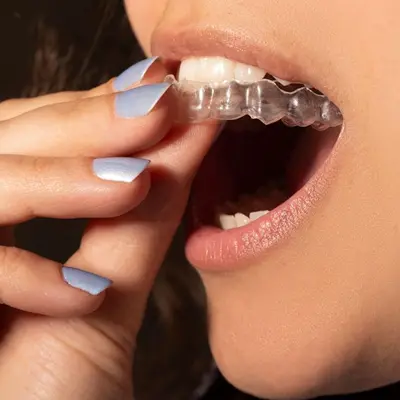
Dentist-Supervised Take-Home Kits Varies; maintenance can extend results Gradual whitening at home
OTC Whitening Strips Generally shorter-lasting Mild whitening and maintenance
Whitening Toothpaste Helps manage surface stains Maintaining a brighter appearance

These are general expectations rather than guarantees. Your dentist can recommend the most appropriate option after examining your teeth.

What Causes Teeth to Become Stained Again?

Teeth whitening does not permanently prevent discoloration. Over time, new stains can develop from food, drinks, tobacco, plaque, and natural aging.

Coffee, Tea, and Dark-Colored Drinks

Coffee, tea, cola, and other strongly pigmented drinks can gradually stain the enamel.

If you regularly consume these drinks, rinsing your mouth with water afterward can help reduce the amount of staining.

Tobacco

Smoking and other tobacco use can cause persistent yellow or brown staining and may make whitening results fade faster.

Reducing or quitting tobacco is beneficial for both your oral health and the appearance of your smile.

Poor Oral Hygiene

Plaque buildup can make teeth look dull and contribute to surface staining.

Regular brushing, flossing, and professional dental cleanings can help maintain a cleaner and brighter smile.

Natural Aging

Teeth can naturally become darker as you age. Enamel gradually becomes thinner, allowing the naturally darker dentin underneath to become more visible.

What Type of Stains Can Teeth Whitening Remove?

Not every type of tooth discoloration responds to whitening in the same way.

Extrinsic Stains

Extrinsic stains develop on the outer surface of the teeth.

Common causes include:

  • Coffee
  • Tea
  • Tobacco
  • Colored foods
  • Certain beverages
  • Plaque buildup

These surface stains may respond well to professional cleaning and whitening.

Intrinsic Stains

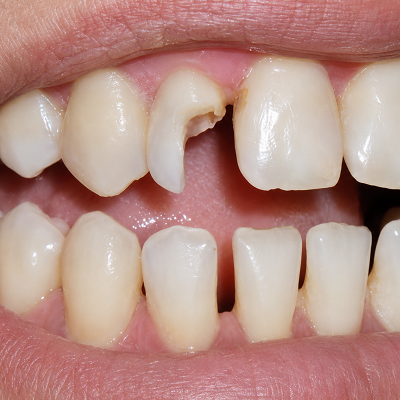
Intrinsic discoloration occurs within the tooth structure and can be more difficult to whiten.

Possible causes include:

  • Aging
  • Tooth trauma
  • Certain medications
  • Changes during tooth development
  • Previous dental problems

If discoloration is deep or does not respond adequately to conventional whitening, your dentist may discuss alternative cosmetic treatments.

Factors That Affect How Long Whitening Results Last

Factor Effect on Results How to Maintain Your Smile
Coffee & Tea Can cause new stains Rinse with water after drinking
Tobacco Can cause rapid discoloration Avoid or quit tobacco
Diet Dark-colored foods may stain teeth Limit frequent exposure
Oral Hygiene Plaque can make teeth look dull Brush and floss regularly
Whitening Method Results vary by treatment Choose treatment with professional guidance
Natural Tooth Color Some teeth respond differently Get an individual assessment
Age Teeth naturally darken over time Maintain regular dental care
Dental Restorations Do not whiten like natural teeth Discuss shade matching with your dentist

Does Teeth Whitening Work on Crowns, Veneers, and Fillings?

No. Teeth whitening primarily changes the color of natural tooth structure.

Existing restorations such as:

  • Dental crowns
  • Veneers
  • Composite fillings
  • Bridges

do not generally whiten in the same way as natural teeth.

This is important if you have visible dental restorations on your front teeth. Whitening your natural teeth may make them lighter while the existing restoration remains the same shade.

For this reason, your dentist should assess your restorations and discuss the desired final shade before cosmetic treatment.

Is Teeth Whitening Safe?

Professional teeth whitening is generally considered safe when the appropriate products and concentrations are used correctly and the treatment is suitable for the patient’s oral health.

However, some patients may experience temporary:

  • Tooth sensitivity
  • Gum irritation
  • Increased sensitivity to hot or cold foods

Overusing whitening products or using them incorrectly can increase the likelihood of irritation and sensitivity.

A dental examination before treatment can help identify problems such as cavities, gum disease, cracked teeth, or significant existing sensitivity.

What Can You Expect After Teeth Whitening?

Some patients experience temporary sensitivity after whitening.

You may notice increased sensitivity when consuming:

  • Cold drinks
  • Hot drinks
  • Ice cream
  • Very sweet foods

This is usually temporary. If you experience severe, persistent, or unusual pain, contact your dentist for an evaluation.

Teeth Cleaning vs Teeth Whitening: What’s the Difference?

Dental cleaning and teeth whitening are not the same treatment.

Dental Cleaning

Professional cleaning removes:

  • Plaque
  • Tartar
  • Surface deposits
  • Some external stains

It can make your teeth look cleaner and brighter.

Teeth Whitening

Whitening uses a professional whitening agent to lighten the color of natural teeth.

Some patients benefit from having a dental cleaning before whitening, particularly if plaque or tartar is present.

The Teeth Whitening Procedure at Dental Clinic Islamabad

Our professional whitening process generally includes the following steps:

1. Consultation

We examine your teeth and gums and discuss your whitening goals.

2. Dental Assessment

We check for cavities, gum problems, sensitivity, restorations, and other conditions that may affect whitening.

3. Cleaning

If required, professional cleaning may be performed to remove plaque and surface deposits.

4. Gum Protection

The gums and surrounding tissues are protected before applying the whitening product.

5. Whitening Application

A professional whitening gel is carefully applied to the appropriate tooth surfaces.

6. Treatment

The whitening system is used according to the manufacturer’s and dentist’s recommended protocol.

7. Shade Evaluation

Your dentist evaluates the result and provides aftercare and maintenance instructions.

How to Make Teeth Whitening Results Last Longer

Good habits can help you maintain your brighter smile.

1. Maintain Good Oral Hygiene

Brush twice daily and clean between your teeth regularly.

2. Limit Staining Foods and Drinks

Try to reduce frequent consumption of coffee, tea, cola, and other strongly pigmented foods and drinks.

3. Rinse After Staining Drinks

If you drink coffee or tea, rinsing with water afterward can help reduce the amount of residue left on your teeth.

4. Avoid Tobacco

Tobacco can quickly discolor teeth and negatively affect overall oral health.

5. Attend Regular Dental Cleanings

Professional cleaning can remove plaque, tartar, and surface stains that make teeth appear dull.

6. Use Whitening Toothpaste Carefully

Whitening toothpaste can help control surface stains, but it does not provide the same whitening effect as professional bleaching.

7. Consider Touch-Up Treatment

When your whitening results begin to fade, your dentist can determine whether a touch-up treatment is appropriate.

Can You Whiten Your Teeth Again After the Results Fade?

Yes, teeth can often be whitened again when the results begin to fade, provided your teeth and gums are healthy and the treatment is appropriate.

However, more whitening is not always better.

Before repeating treatment, your dentist can assess:

  • Tooth sensitivity
  • Gum health
  • Existing restorations
  • Current tooth shade
  • Cause of discoloration

Your dentist can then recommend whether another whitening session or a different cosmetic option is more appropriate.

Why Do Teeth Sometimes Whiten Unevenly?

Uneven whitening can happen for several reasons.

For example:

  • Different teeth may have different levels of discoloration.
  • Intrinsic stains may respond differently.
  • Existing fillings or crowns may not whiten.
  • Natural tooth color can vary between teeth.
  • Previous trauma may cause one tooth to appear darker.

If whitening does not produce an even result, your dentist can identify the cause and discuss suitable cosmetic options.

Can Teeth Whitening Remove Yellow Teeth?

It depends on why your teeth look yellow.

If the yellow appearance is caused mainly by surface stains, whitening may produce a noticeable improvement.

However, teeth can also appear yellow because of natural dentin showing through thinner enamel or because of deeper intrinsic discoloration. These cases may respond differently to whitening.

A dental assessment can help determine the likely cause before treatment.

Cost of Teeth Whitening in Islamabad

The cost of professional teeth whitening depends on the treatment method and the patient’s individual requirements.

At Dental Clinic Islamabad:

Procedure Cost (PKR)
Teeth Whitening 25,000

A consultation can help determine whether professional whitening is suitable for you and what type of treatment is most appropriate.

Why Choose Dental Clinic Islamabad for Teeth Whitening?

At Dental Clinic Islamabad, we focus on achieving a brighter smile while keeping your oral health and comfort in mind.

  • Dentist-supervised treatment: Your teeth and gums are assessed before whitening.
  • Customized approach: Treatment is selected according to your tooth condition and whitening goals.
  • Professional products: We use professional whitening systems according to appropriate treatment protocols.
  • Sensitivity management: We take existing and potential sensitivity into consideration.
  • Complete guidance: We provide instructions for maintaining your whitening results.
  • Natural-looking results: The goal is to achieve a brighter smile while maintaining a natural appearance.

FAQS

For in-office whitening, touch-ups every 12–18 months are recommended. At-home maintenance can be done as needed based on staining.

When done professionally, whitening is safe and does not damage enamel. Overuse of high-concentration products can cause sensitivity or gum irritation.

Fast staining can be due to diet, smoking, thin enamel, or certain medications. We can help identify the cause and recommend solutions.

We offer desensitizing treatments and use low-sensitivity gels to make the process comfortable for you.

Whitening only works on natural teeth, not on crowns, veneers, or fillings. If you have visible dental work, we'll discuss options to match shades or replace restorations after whitening.

Avoid dark-colored foods and drinks for 48 hours: coffee, tea, red wine, berries, soy sauce, tomato sauce, dark sodas, and anything that could stain a white shirt.

We generally recommend waiting until after pregnancy and breastfeeding as a precautionary measure, even though there's limited evidence of harm.

We recommend waiting until at least age 16 when tooth development is complete. We assess each case individually and may suggest milder treatments for younger patients.

Teeth can have different levels of staining, and factors like tooth composition, previous dental work, or certain medications (like tetracycline) can affect whitening results. We assess this during consultation.

Technically, "whitening" restores teeth to their natural color by removing stains, while "bleaching" lightens them beyond their natural shade. Both terms are commonly used interchangeably.