A cracked tooth is terrifying. You might experience sharp pain when chewing or when drinking cold or hot beverages. The initial thought that comes to the mind of many individuals is, ‘Does a cracked tooth always require a crown?’ The answer is not always.
Other cracks are not serious and require basic treatment. Some go deep and need full coverage insurance. The correct solution is dependent on the size of the crack, its location, and the extent of damage that has taken place.
Many of the broken teeth can be treated before they become severe with the adequate diagnosis of Dr. Usama Hayat Ghauri. We shall now examine when a crown is necessary and when other alternatives suffice.
What Is a Cracked Tooth?
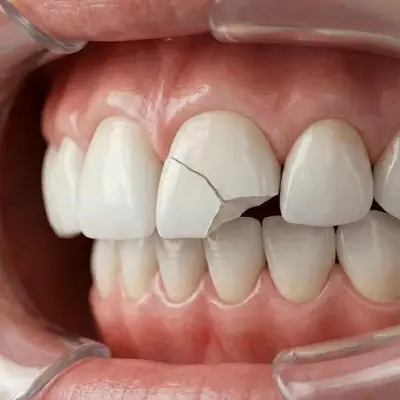
A cracked tooth is a small break or fracture in the enamel. Sometimes, you can see the crack clearly. Other times, it remains hidden beneath the surface. When pain occurs mainly during chewing, dentists often refer to this condition as Cracked Tooth Syndrome.
Common Causes of Tooth Cracks
- Biting hard foods
- Teeth grinding
- Large fillings
- Accidents or injury
- Sudden temperature changes
Because enamel cannot repair itself, even a small crack needs professional evaluation.
Types of Tooth Cracks
Not all cracks are the same. Therefore, treatment depends on the type and severity of the fracture.
1. Craze Lines
These are minute cracks on the surface of the enamel. They are common in adults. They tend to be painless and do not require a crown.
2. Fractured Cusp
This occurs when a fragment of the chewing surface fractures. It affects tooth fillings that are large in most cases. The Crown can be advised to provide strength.
3. Cracked Tooth
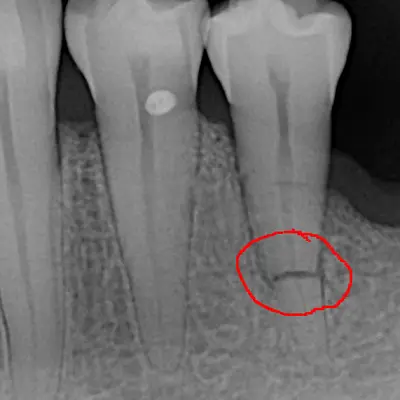
This crack is formed at the top and extends to the root. In case it extends to the inner pulp, it could require some treatment, such as a root canal and a crown.
4. Split Tooth
It is a deep split that separates the tooth. In most cases, extraction is needed.
Understanding the type of crack helps in the preservation of the tooth structure and enhances the long-term stability of teeth.
When Is a Crown Necessary
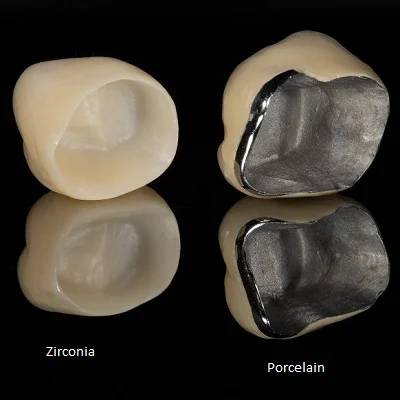
A dental crown covers the entire visible portion of the tooth. It strengthens weakened enamel and prevents the crack from spreading.
- The crack is deep
- Chewing causes pain
- A big portion of the tooth is detached.
- Needs root canal treatment.
- The tooth is incapable of supporting a filling.
In these cases, a crown protects the remaining structure and restores function.
When a Crown May Not Be Needed?
| Crack Type | Possible Treatment | Crown Needed? |
| Craze lines | Monitoring or polishing | No |
| Small surface crack | Bonding | Rarely |
| Minor fracture | Filling or bonding | Sometimes |
| Deep crack with pulp damage | Root canal + crown | Yes |
| Split tooth | Extraction | Not possible |
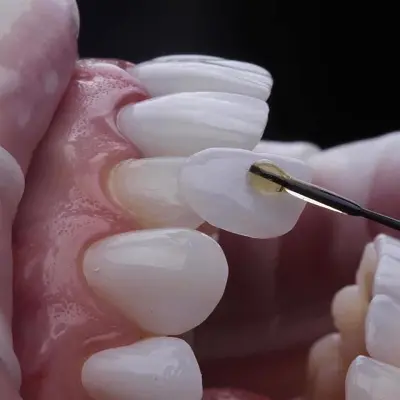
Dental bonding involves the use of resin of tooth colour to seal minor cracks. This even enhances the restoration of cosmetics and protects the enamel.
What Happens If You Ignore a Cracked Tooth?
Unfortunately, cracks do not improve on their own. Over time, chewing pressure can worsen the fracture. Eventually, bacteria may enter the pulp and cause infection.
Ignoring a cracked tooth can lead to:
- Severe toothache
- Infection
- Swelling
- Abscess
- Tooth loss
Early treatment prevents complex and costly procedures later.
Will a Cracked Tooth Heal Itself?
No. Teeth do not heal like bones. Teeth are broken, and once broken, they remain broken. Nonetheless, the crack can be prevented from expanding with the help of treatment and alleviating pain. Early action helps with the long life of teeth and prevents severe complications.
How to Prevent Tooth Cracks?
They always say that prevention is better than a cure. You can reduce risk by:
- Have a night guard on in case you grind teeth
- Preventing the chewing of ice or hard candy.
- Not using teeth as tools
- Visiting dentists at regular checkups.
- When large fillings are recommended, fixing them is.
Final Thought!
A cracked tooth does not always require a crown. Small cracks may only need monitoring or bonding. However, deeper fractures often require full coverage to prevent further damage.
The key is early diagnosis. Dr. Usama Hayat Ghauri is very keen to weigh out each case and therefore determine which solution to use, be it a crown, bonding, root canal or otherwise.
In case you are in pain, biting, or sensitive, never wait. Early treatment of a fractured tooth can also spare your smile, as well as your pain.