Many patients ask this important question after their dentist recommends a root canal treatment. The short answer is: not always but usually, yes. Let me explain when you need a crown and when you might not.
A root canal treatment removes infected or damaged nerve tissue from inside your tooth. However, this procedure also removes the tooth’s blood supply. However, this procedure also removes the blood supply to the tooth. The tooth becomes weaker and more brittle over time. Therefore, most root canal-treated teeth need protection with a dental crown.
When do you need a crown after a root canal?
Back teeth:
Back teeth (molars and premolars) need crowns after a root canal treatment in almost all cases. Specifically, these teeth endure tremendous chewing pressure daily. Root canal-treated molars without crowns often crack or break within months, so dentists strongly recommend crowns for all back teeth after root canal.
Extreme damage:
If your tooth had a large cavity that required a root canal and already had multiple old fillings, it needs a crown. Fractured or cracked teeth also require crown protection. In such cases, the crown holds the remaining tooth structure together, preventing further breakage.
Teeth with Significant Filling Material
Sometimes, the filling used to seal the root canal takes up most of the tooth. As a result, very little natural tooth structure remains, making the tooth extremely fragile and prone to fracture. Thus, a crown becomes necessary to protect the weakened tooth structure.
Why is a crown necessary, and how does it protect root-canal-treated teeth?
A root canal treatment changes your tooths structure and strength. First, removing the nerve eliminates the internal blood supply and nutrients, causing the tooth to become more brittle similar to dried wood. Additionally, the access opening created for the root canal further weakens the tooth structure. Therefore, the tooth becomes vulnerable to fractures during normal chewing.
Moreover, teeth often require a root canal because of extensive decay. Cleaning and shaping the root canals remove additional internal tooth structure. Thus, the remaining tooth needs external support and protection.
A crown covers the entire visible portion of the tooth above the gum line and distributes chewing forces evenly across it. It also prevents cracks from spreading through the tooth. Therefore, crowned teeth last much longer than uncrowned root-canal-treated teeth.
What Happens Without a Crown?
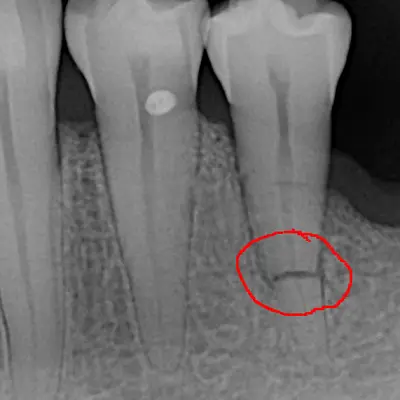
If you skip the crown after a root canal, several problems may develop. First, the tooth may crack or fracture during normal chewing within months or even years. These cracks often extend below the gum line, making the tooth difficult to save. Moreover, bacteria can enter through the cracks, causing reinfection, and the tooth may eventually break into pieces, requiring extraction. You may lose the tooth despite spending money on the root canal treatment, and you might need an expensive implant or bridge to replace it.
Studies show that root canal treated teeth without crowns fail at much higher rates. Specifically, back teeth without crowns have only a 50–60% survival rate after 5 years. However, crowned root canal-treated teeth have 90-95% survival rates. However, crowned root-canal-treated teeth have a 90–95% survival rate.
Our crown placement process at Dental Clinic Islamabad
After your root canal treatment is complete, the dentist usually waits 1–2 weeks before starting the crown preparation. During your crown appointment, the dentist numbs the area with local anaesthesia and shapes the tooth to the proper dimensions for the crown. Next, detailed impressions are taken and sent to the dental laboratory.
In the meantime, a temporary crown is placed to protect the tooth for 1-2 weeks. When the permanent crown is ready, the dentist removes the temporary crown, checks the fit and appearance of the permanent crown, and cements it in place. The entire crown process typically requires two appointments over 2–3 weeks.
Cost of a Dental Crown in Islamabad, Pakistan
The cost of dental crowns in Islamabad starts from PKR 20,000 per tooth, depending on tooth location and the type of material used. However, this investment helps save your natural tooth from extraction. A root canal with a crown is actually more cost-effective than extraction and replacement.
Why choose Dental Clinic Islamabad?
Root canal and crown treatments require expertise and precision. So, why not visit Dental Clinic Islamabad now and save your tooth with safe and effective procedures?
- Dr. Usama Hayat has years of experience in root canal and crown procedures
- We use modern equipment, including digital X-rays and rotary endodontic systems
- Advanced anesthesia techniques ensure comfortable, pain-free procedures
- We use premium crown materials for a natural appearance and long-lasting durability
- We offer competitive treatment costs
- Complete treatment from diagnosis through final crown placement
- We maintain strict sterilization and hygiene protocols
- We explain all treatment options clearly, helping you make informed decisions
- Regular monitoring ensures long-term treatment success.
FAQS
How long can I wait to get a crown after a root canal?
Ideally, you should get your crown within 2-4 weeks after completing root canal treatment. However, some patients delay up to 6 months. Moreover, the longer you wait, the higher the risk of tooth fracture.
Is root canal treatment painful?
No, root canal treatment is not painful. Moreover, dentists use local anesthesia to completely numb the area. Additionally, modern techniques and equipment make the procedure comfortable.
Can I get a crown immediately after a root canal?
Generally, dentists wait 1-2 weeks after completing a root canal before starting crown preparation. Specifically, this allows the tooth to settle and ensures no complications develop.
Which crown material is best after a root canal?
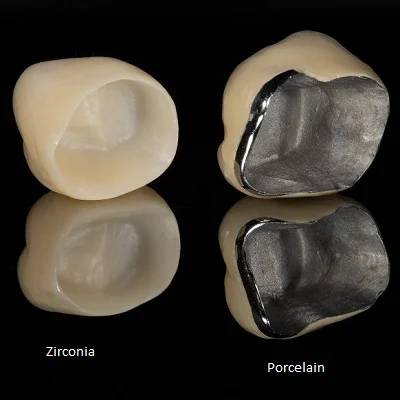
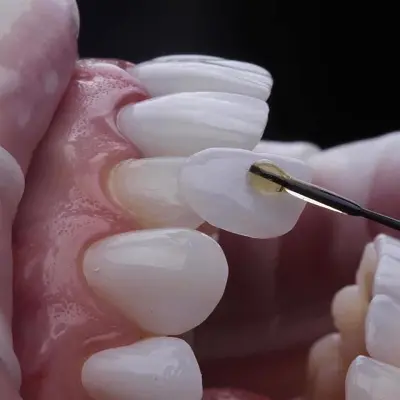
The best crown material depends on tooth location and your budget. For back teeth, zirconia or porcelain-fused-to-metal (PFM) crowns work excellently. For front teeth, all-ceramic or zirconia crowns provide superior aesthetics.
How long do crowns last after a root canal?
High-quality crowns typically last 10-15 years or longer with proper care. Moreover, some crowns last 20+ years. Additionally, crown longevity depends on material quality, dental hygiene, and chewing habits.
Can root canal-treated teeth without crowns be saved if they crack?
Sometimes, cracked root canal-treated teeth can be saved if caught early. However, this depends on the crack location and severity. Cracks extending below the gum line usually require extraction. Therefore, prevention with a crown is much better than trying to repair cracks later.