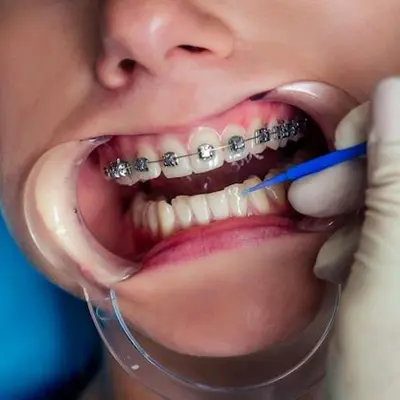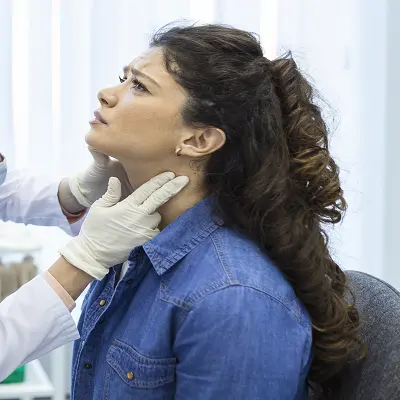
Jaw surgery, also known as orthognathic surgery, corrects issues related to the jaw bones. It aligns misaligned jaws, improves chewing function, and enhances overall facial appearance. Many patients often ask whether this procedure is dangerous.
At Dental Clinic Islamabad, specialists perform jaw surgery with patient safety as the top priority. This guide explains the potential risks and how experts effectively manage them.
Quick Facts
- Procedure Type: Major surgery under general anesthesia
- Hospital Stay: 1 to 3 days
- Recovery Time: 2 to 6 weeks for initial healing
- Full Healing: 6 to 12 months
- Success Rate: Very high with experienced surgeons
- Best For: Correcting jaw misalignment, improving bite, facial harmony
What Is Jaw Surgery?
Jaw surgery repositions the upper jaw, lower jaw, or both to improve alignment. The surgeon carefully cuts the jaw bones and moves them into the correct position. They then secure the bones using small plates and screws, allowing proper healing.
An oral and maxillofacial surgeon performs this procedure in a hospital setting under general anesthesia, so the patient remains fully asleep throughout.
Common reasons for jaw surgery include:
- Difficulty chewing or biting food
- Problems speaking clearly
- Chronic jaw pain or TMJ disorders
- Sleep apnea caused by jaw position
- Facial imbalance or asymmetry
- Misaligned teeth that braces cannot fix
Is Jaw Surgery Considered High-Risk?
Jaw surgery is a major procedure, so it carries more risks than minor treatments. However, doctors do not classify it as extremely high-risk. Skilled surgeons and proper planning significantly reduce complications.
The risk level depends on several factors:
- Your overall health
- The complexity of your case
- The surgeons experience
- How well you follow pre and post-operative instructions
Risks of Jaw Surgery
| Risk Category | Specific Risks |
| Anesthesia risks | Allergic reaction, breathing problems |
| Bleeding | Blood loss during or after surgery |
| Infection | At the surgical site |
| Nerve damage | Numbness in lips, chin, or tongue |
| Relapse | Bones moving back to original position |
| Healing problems | Slow or poor bone healing |
| Aesthetic issues | Asymmetry, unwanted facial changes |
How Common Are These Risks?
Serious complications are rare. Studies show that major complications occur in less than 1 to 2 percent of cases.
Nerve damage is the most common concern. The nerves that give feeling to your lower lip, chin, and tongue run through the jaw. These nerves can be stretched during surgery. Most patients experience some numbness after surgery. This usually improves over weeks or months. Permanent numbness is rare.
Infection occurs in about 1 to 5 percent of cases. Antibiotics are given before and after surgery to prevent this.
Bleeding is controlled during surgery. Blood transfusions are rarely needed.
Relapse, where the bones move back, happens in a small percentage of cases. Your surgeon uses plates and screws to hold the bones firmly.
How to Minimize Risks
Serious complications rarely occur. Research shows that only about 1–2% of patients face major issues.
Nerve sensitivity changes remain the most common concern. Many patients notice temporary numbness after surgery, but sensation usually returns within weeks or months. Permanent numbness occurs very rarely.
Doctors report infections in about 1–5% of cases, but antibiotics effectively reduce this risk. Surgeons also manage bleeding carefully, and patients rarely require blood transfusions.
What to Expect During Recovery
The first week after jaw surgery is the hardest. Your face will be swollen. You may have bruising. You can only eat liquids and soft foods. Pain is managed with medication.
By the second week, swelling starts to go down. You may return to school or desk work. You still need to eat soft foods.
By the fourth week, most swelling is gone. You can eat more solid foods. You can return to most normal activities.
By the sixth week, your bones are mostly healed. You can eat a normal diet. You can exercise lightly.
Full healing takes 6 to 12 months. The bones continue to strengthen during this time.
Cost of Jaw Surgery in Islamabad
| Procedure | Price Range (PKR) |
| Jaw Surgery (orthognathic) | 200,000 single arch |
Factors Affecting Cost
- The complexity of your case affects the cost. Double jaw surgery costs more than single jaw surgery.
- The hospital fees vary. Different hospitals have different pricing structures.
- Anesthesia fees are another factor. Longer surgeries require more anesthesia.
- Pre and post-operative care, including X-rays, scans, and follow-up visits, add to the total cost.
Why Choose Dental Clinic Islamabad for Jaw Surgery
Expert Surgeons: Dr. Ahsan Rush has extensive experience in facial surgeries.
Comprehensive Care: From consultation through full recovery, you are supported.
Advanced Planning: 3D imaging and computer planning ensure precision.
Safe Environment: The procedure is performed in a sterile hospital setting.
Proven Results: Many patients have achieved improved function and appearance.