Skip to content
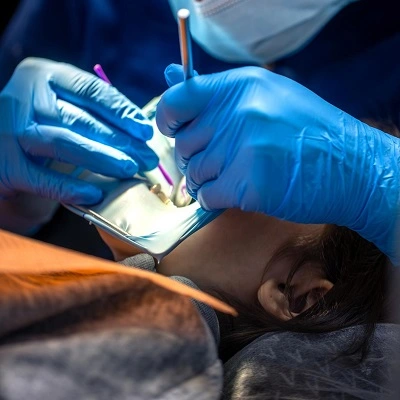
The answer to this question depends on several factors, including the type of graft, why it’s being removed, and your body’s natural healing capacity. Bone grafts are living tissues that undergo a complex process called “incorporation,” where the grafted bone gradually transforms into living bone integrated with your own skeleton. Understanding this process helps clarify what happens if a graft needs removal.
At our denal clinic, we ensure patients understand their procedures completely. This article explains bone graft healing and what to expect if removal becomes necessary.
What Is a Bone Graft?
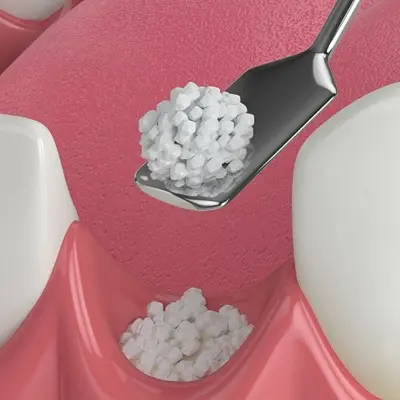
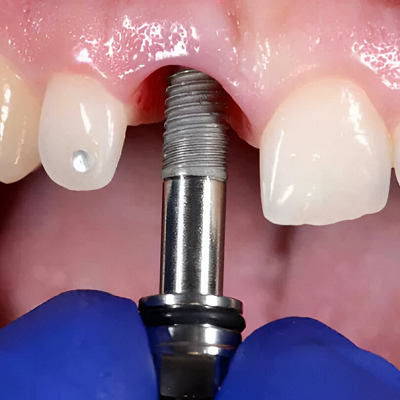
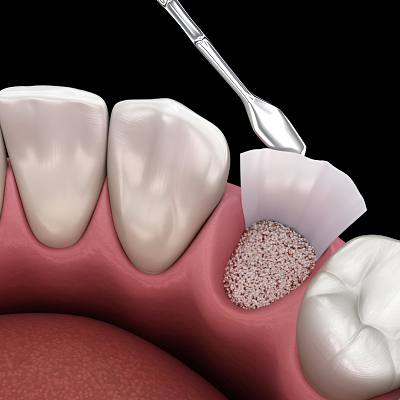
A bone graft is a surgical procedure that uses transplanted bone to repair and rebuild diseased or damaged bones. During a bone graft, your surgeon inserts a new piece of bone where a bone needs to heal or join. The cells inside the new bone can then seal themselves to the old bone.
There are several types of bone grafts:
- Autograft: Bone taken from another site in your own body (often hip, leg, or ribs)
- Allograft: Donor bone from a tissue bank (cadaver bone)
- Synthetic Materials: Artificial bone substitutes (not technically “grafts” in the traditional sense)
- Vascularized Bone Transfer: Bone with its own blood supply transplanted
- Nonvascularized Autograft: Bone without attached blood vessels
How Bone Repair Works
Most of your skeleton is made up of bone matrix, the hard material that gives bones their strength. The matrix has bone cells that make and support the matrix, helping repair and heal your bones when needed.
When you break a bone, your bone cells may be able to repair it. But with some fractures, a large amount of bone is lost, if the bone breaks in many pieces or if it goes through the skin. Your bone cells may not be able to repair it, and a bone graft may be needed.
Will Bone Regenerate on Its Own?
The answer depends on several factors:
| Scenario | Likelihood of Bone Regeneration |
| Small defect, healthy bone margins, good blood supply | Good chance of spontaneous healing |
| Moderate defect, some healthy bone present | Possible, but may take months to a year |
| Large defect, compromised blood supply | Unlikely to heal without additional grafting |
| Infection present | Must clear infection first; bone may not regenerate until infection resolved |
| Radiation-damaged tissue | Poor healing capacity; likely needs specialized reconstruction |
Bone Graft Types
| Graft Type | Source | Characteristics | If Removed |
| Autograft (Vascularized) | Your own bone, with blood vessels | Living bone; excellent healing | Defect may be significant; surrounding bone healthy |
| Autograft (Nonvascularized) | Your own bone, no vessels | Acts as scaffold; slowly replaced | Some new bone may have formed; defect may partially fill |
| Allograft | Donor bone | Dead bone scaffold; no living cells | Minimal living bone; defect remains |
| Synthetic Graft | Artificial materials | Scaffold only; no living tissue | No living bone; defect unchanged |
Cost of Bone Graft Procedures in Pakistan
At our clinic, bone graft costs vary based on type, size, and complexity. Below is a general estimate:
| Procedure Type | Estimated Cost Range (PKR) |
| Bone Graft (e.g., dental) | 35,000 – 40,000 |
Factors That Affect Cost
| Factor | Impact on Cost |
| Graft Type | Autograft requires harvest site surgery; allograft involves tissue bank fees |
| Defect Size | Larger defects require more graft material |
| Surgical Complexity | Vascularized grafts require microsurgery |
| Hospital Stay | Longer stays increase costs |
| Location | Major cities like Islamabad may have higher facility fees |
Why Choose Our Clinic for Bone Graft Procedures?
A Dental clinic islamabad we have trusted orthopaedic and reconstructive surgeons for bone graft procedures through our network of partner facilities.
- Board-certified orthopaedic and reconstructive specialists with proven track records in complex bone reconstruction
- Thorough assessment of your specific situation using advanced imaging
- Treatment tailored to your needs, including graft type selection
- Monitoring healing and addressing concerns throughout recovery
FAQS
What happens if a bone graft gets infected?
Infected grafts often need removal. After the infection clears, a new graft may be placed once the area is healthy.
Can bone regenerate completely after graft removal?
For small defects with healthy bone margins and good blood supply, spontaneous regeneration is possible. Larger defects typically need additional grafting.
Is bone grafting painful?
The procedure is done under anesthesia. Post-operative pain is managed with medication and typically improves within days.
How do I know if my bone graft is healing?
Your surgeon will monitor healing with regular follow-ups and imaging studies (X-rays, CT scans) to assess bone integration.
Will I need physical therapy after bone grafting?
You may need physical therapy to restore strength and flexibility to your muscles, depending on the location and extent of surgery.