Dental implants have revolutionized the process of replacing missing teeth. They are natural-looking, they are tough, and protect the health of the jawbones. Nevertheless, there is one question that is common. How many teeth can be supported by one implant?
The solution will lie in a number of aspects. Major roles are played by implant position, bone density, bite pressure, and treatment design. Through specialist planning by Dr Usama Hayat Ghauri, the patients will experience long-term and stable results that favor dental restoration, tooth replacement possibilities, and restoration of oral functions.
This reference describes the process of implants, when one implant is needed to replace more than one tooth, and it is the safest option.
How Dental Implants Work in Tooth Replacement?
A dental implant refers to a tiny titanium post inserted in the mouth. Bone develops around it, making it immobile as time goes by. After being healed, the implant bears:
- A crown for one tooth
- A bridge for multiple teeth
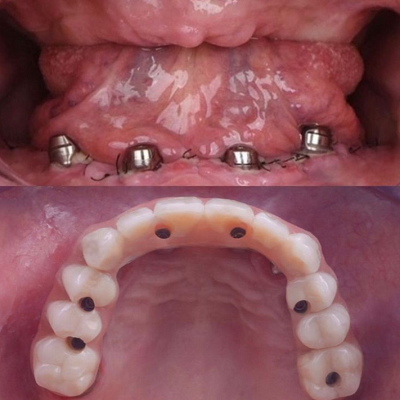
- A denture for a full arch
Since implants are similar to natural roots, they restore the chewing strength and prevent bone loss, which promotes the long run nature of the jawbone.
Can One Implant Hold More Than One Tooth
Yes, in certain examples, only one implant can be used to support two or even three teeth. This normally occurs when a dental bridge is affixed rather than a crown.
For example:
- Two implants can sustain three or four teeth.
- A small bridge may be held by one implant and a natural tooth.
- Angled implants have the ability to carry more spans.
Such an approach is referred to as implant-supported bridgework and saves surgery and money. But not all mouths can take this method.
Factors That Decide How Many Teeth One Implant Can Support
There are various clinical factors that affect the load that an implant is able to take.
1. Bone Strength and Volume
Bone is healthy and thick, giving good support. The bone can be weak or thin and therefore requires grafting before it can support heavier loads of implants. The stability of the implants is dependent on bone quality.
2. Location in the Mouth
The pressure on front teeth is not as much as on back molars. A front implant can serve more than a tooth, whereas back teeth usually require additional implants since the force of chewing is greater.
3. Bite Force and Habits
Individuals who clench hard or grind their teeth subject the implants to greater stress. This can be restrictive to the number of teeth that a single post is safe to support.
4. Implant Size and Angle
Expanding or extending implants are able to take greater force. It is also strategic angling, and this also reduces weight distribution, which improves the design of the prosthetic support.
5. Overall Oral Health
Good hygiene and healthy gums reduce the chances of infection and failure of implants. This helps the health of peri-implant tissues.
Typical Implant-to-Tooth Ratios
| Situation | Teeth Replaced | Implants Used | Notes |
| Single missing tooth | 1 | 1 | Most common option |
| Two missing teeth | 2 | 1-2 | Depends on the location and the bone |
| Three missing teeth | 3 | 2 | Often uses a bridge |
| Full arch replacement | 10–14 | 4-6 | Known as full-arch implant rehabilitation |
| Partial denture support | Several | 2-4 | Stabilises removable dentures |
Benefits of Using One Implant for Multiple Teeth
This method can provide, when safe, the following:
- Fewer surgical procedures
- Lower overall cost
- Faster healing
- Reduced treatment time
- Preserved bone levels
Risks of Overloading a Single Implant
- Slackening of the crown or bridge.
- Bone loss around the implant
- Implant failure
- Gum inflammation
This is the reason why it is crucial to plan carefully and imagine what to expect after selecting such a method.
How Specialists Plan Implant Treatment?
Latest equipment, such as 3D scanners, digital bite analysis, and guided surgery, helps the dentists to determine the number of implants that are the safest.
At Dental Clinic Islamabad, Dr Usama Hayat Ghauri makes plans for the implants depending on the structure of the bones, the balance of the face, and long-term working instead of being fixed quickly. This customised treatment would secure the life of the implants and provide aesthetically efficient results.
Aftercare Makes a Major Impact On Success
Regardless of the number of teeth that an implant can hold, it is a question of aftercare.
Patients should:
- Brush twice daily
- Floss around implants
- Use interdental brushes
- Attend regular checkups
- Avoid smoking
- Wear night guards if advised
Final Thought!
A single tooth may be replaced with a single dental implant, or several teeth may be supported using a bridge or denture system. The correct number is based on the quality of the bones, the pressure of the bite, and professional planning.
With the help of Dr Usama Hayat Ghauri and the latest treatment, the patients are in a position to attain strong and long-term tooth replacement with a natural appearance and a safe feeling. The correct strategy of implant is not one using fewer posts. It is concerned with creating an environment that ensures your smile remains healthy forever.