Skip to content
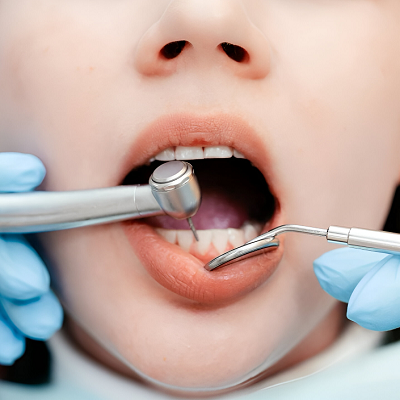
Dental fillings are commonly used to treat cavities. However, they are no longer the only solution available. Thanks to advances in modern dentistry, patients now have several effective alternatives that not only restore damaged teeth but also improve appearance and support long-term oral health.
Choosing the right treatment depends on several factors, including the size of the cavity, the tooths location, and the stage of tooth damage. This guide explains the main alternatives to dental fillings in a simple and easy-to-understand way, helping you decide which option may be best for you.
Why Do Some Patients Look Beyond Fillings?
Traditional fillings work well for small cavities, but they are not always the ideal solution. Over time, fillings may wear down, crack, or fail to adequately support weakened teeth. As a result, some patients look for more durable or natural-looking restorations.
In addition, many people prefer metal-free solutions that blend seamlessly with their natural teeth. Dentists often recommend alternatives in moderate to severe cases of tooth damage or when strength, longevity, and aesthetics are top priorities. In these situations, advanced restorations can deliver stronger and longer-lasting results.
Dental Inlays For Mid-level Tooth Damage
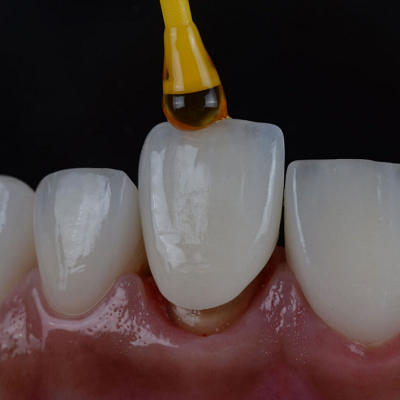
Inlays are personally made restorations that are applied when the decay is too large to permit a filling and is not yet large enough to warrant a full crown. These are manufactured at a dental laboratory and cemented firmly within the tooth. The advantages of dental inlays are:
- More powerful than common fillings.
- Good fit and serviceability.
- Tooth-like natural appearance.
- Reduced risk of future decay
Typically made from porcelain or composite resin, inlays are an excellent option for patients who want a discreet and reliable tooth repair.
Dental Onlays for Large Cavities
Onlays are comparable to inlays, only that they cover a larger area of the tooth, one or more cusps. They are partial crowns since they offer greater coverage without ablation of the entire tooth structure. The reasons why dentists prescribe onlays:
- Conserve a more natural tooth structure.
- Enhance the strength on chewing surfaces.
- Perfect back teeth with heavy bite pressure.
Onlays can also be used as an effective substitute when fillings do not hold any longer, yet crowns do not need to be full.
Dental Crowns for Severe Tooth Damage
A dental crown can be the best choice when a tooth is very weakened, cracked, or decayed. The crowns replenish the shape, size, and functionality of the tooth in its entirety. Crowns are commonly used for:
- Teeth with large cavities
- Root canal resultant teeth.
- Broken or heavily worn teeth
Crowns are created using cosmetic dental solutions like porcelain or zirconia, which are strong and look natural.
Dental Sealants For Early Protection
Dental sealants are a preventive measure as opposed to a curative measure. They are put on the chewing surfaces of teeth to lock out bacteria and food particles in deep grooves.
Sealants are ideal for:
- Early enamel damage
- Children and teenagers
- Patients prone to cavities
However, the sealants do not heal the existing rotten areas, but they prevent the formation of cavities and the necessity of fillings in the future.
Tooth Bonding as a Conversational Alternative
Dental bonding involves tooth-colored resin that is used to correct tiny chips, gaps, or small decay. It is also not invasive like fillings, and it does not need much enamel removal. Though bonding is not as stable as crowns or onlays, it is still a good alternative to minor issues. Bonding works best for:
- Small surface defects
- Front teeth repairs
- Cosmetic improvements
The Selection of the Right Alternative By Dentists
When choosing the appropriate treatment, it is necessary to consider some factors:
- Size and depth of decay
- Tooth location
- Bite pressure
- Aesthetic expectations
- Long-term oral health goals
Long-Term Benefits of Making the Right Choice
Replacing traditional fillings with the right alternative can strengthen teeth, reduce future dental procedures, and improve overall oral health. Modern restorative treatments focus on preserving natural tooth structure while delivering predictable, attractive, and long-lasting results.
Book Your Consultation!
If you are unsure whether a filling or an alternative treatment is right for you, schedule a professional dental consultation. A personalized evaluation will help determine the best long-term solution for protecting your smile and oral health.