Skip to content
Hearing the term “bone grafting” can feel intimidating. Many patients imagine complicated or risky surgery. In reality, bone grafting is a common dental procedure used to restore jaw strength and support future treatments. How serious it is depends on the reason for the graft, the type of graft used, and your overall oral health. Understanding the process can reduce fear and boost confidence.
What Is Bone Grafting?
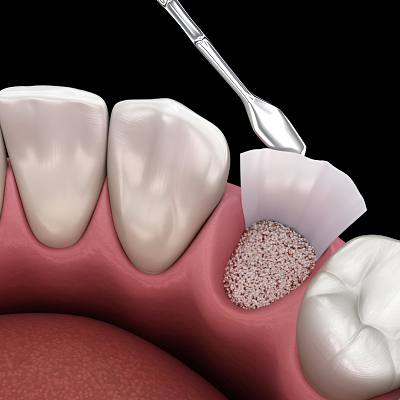
Bone grafting is a surgical procedure in which a surgeon takes bone from one part of the body to repair or rebuild bone in another area. The surgery can be minor or more involved, depending on the extent of the graft. Surgeons can use bone from your own body, typically from the hips, ribs, or legs.
Unlike organ transplants, bone grafts are usually not rejected by the body as long as the graft material is compatible. Most bones consist of a bone matrix, which hardens the bone, and cells within or beneath the matrix that regenerate bone. The primary goal of dental bone grafting is functional rather than cosmetic. It helps create a stable foundation for dental implants and supports long-term oral health.
Know the Reasons Why Bone Grafting is Recommended?
Dentists recommend bone grafting when the jawbone is too weak to support teeth or implants. Without it, future dental procedures may fail. Common reasons for bone grafting include:
- Tooth loss over time
- Advanced gum disease
- Jawbone shrinkage
- Dental implants preparation.
Is Bone Grafting Procedure a Serious Surgery?
For most dental cases, bone grafting is not considered major surgery. It is usually performed under local anesthesia and does not require hospitalization. However, it is still a surgical procedure, which means careful planning, sterile techniques, and proper wound care are essential. In fact, the procedure itself is often less concerning than post-procedure care.
Types of Bone Grafting Used in Islamabad Dentistry
Bone grafting is commonly used in dentistry to restore lost bone and support treatments such as dental implants. Dentists select different grafting materials depending on the patient’s bone condition, oral health, and treatment goals. All graft materials used in modern dentistry are safe and carefully controlled to promote proper bone healing.
Autograft
An autograft uses bone taken from the patient’s own body. In dental procedures, surgeons usually collect bone from areas inside the mouth, such as the chin, jaw, or back of the lower jaw. Since the bone comes from the patient, the risk of rejection is very low, and healing tends to be faster. This option is often considered the most reliable form of bone grafting.
Allograft
An allograft uses bone obtained from a human donor and is processed under strict medical standards. This type of graft eliminates the need for a second surgical site in the patients mouth. Dentists frequently use allografts for bone regeneration before implant placement because they are safe, effective, and widely available.
Xenograft
It was a xenograft with which Job van Meekeren covered the skull of the soldier. It entails the use of another animal bone, mostly a cow. Xenografts are used only when autograft is not available or suitable.
Bone Marrow Aspirate
Bone marrow aspirate involves collecting bone marrow, usually from the hip area, and combining it with other graft materials. The marrow contains growth factors that help speed up healing and improve bone regeneration. In dentistry, it is mainly used as a supportive treatment rather than a standalone graft.
Artificial Graft
Synthetic bone grafts are made from biocompatible materials designed to mimic natural bone structure. These grafts often contain porous materials and may include proteins that stimulate bone growth. Artificial grafts are widely used because they are safe, predictable, and do not require donor bone.
The Expectations of the Procedure
The procedure usually takes about an hour. The dentist places the graft material in the affected area and secures it in place. Patients may feel pressure but usually not pain. Mild swelling or discomfort afterward is normal and can be managed with medication. Overall, dental bone grafting is a relatively mild procedure for most patients.
Possible Risks and Safety
The risks of any procedure are present in bone grafting, although they are not frequent when it is done properly. Even dentist Dr Ahsan Rush insists that the cooperation of the patient in the recovery process is a major factor in the successful results. Potential risks include
- Infection
- Graft rejection
- Delayed healing
Is Bone Grafting Painful?
Most patients report mild to moderate discomfort similar to a tooth extraction. Pain is usually well-controlled with medication, and normal activities can often resume shortly after the procedure.
Final Words For Bone Grafting Surgery
Although bone grafting may sound serious, it is a routine and well-controlled dental procedure. It strengthens the jaw and supports long-term oral health. With proper care and guidance from a professional, bone grafting is safe, effective, and an important step toward a healthier smile.