Skip to content
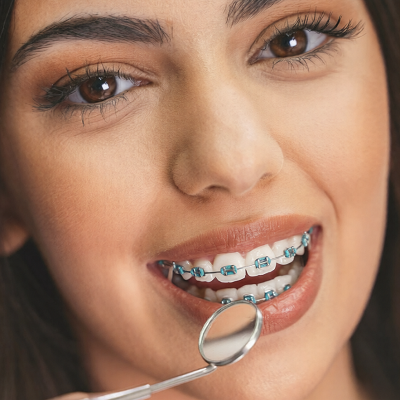
Yes, braces provide lifelong results, but they are not a set-it-forget-it type of solution. While braces physically move your teeth into a new position, the outcome will only be permanent if you retain them forever.
Do Braces Fix Your Teeth Forever?
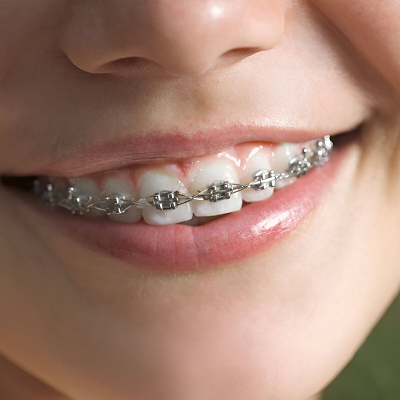
You have months, maybe years, of moving around the world of metal brackets, tightening schedules, and the careful avoidance of popcorn. The day when you get to unscrew your braces is a significant one. You check yourself in the mirror, and lo! There it is, the straight, perfect smile you have been longing to have.
But then, as the excitement first of all passes, a question always sneaks in, the question is this permanent? Can braces fix teeth forever? The answer is yes, but with a very significant condition of if. Your braces will do the strenuous work of moving your teeth, but the lifetime of retention is a lifetime commitment. The following is all you need to know to make your orthodontic results long-lasting.
What is the “Memory” of Your Teeth?
To understand why teeth move after the braces, we must dig deeper. It is not your teeth that are cemented in your jawbone; just like the nails in the board, it is the periodontal ligaments that hold your teeth. These consist of elastic fibers that attach the root of the tooth to the bone.
These ligaments stretch, and the bone surrounding the tooth gets remodeled when the braces press. These ligaments, however, possess what orthodontists commonly refer to as orthodontic memory. In a considerable duration of time after your braces come off, your braces are accompanied by those fibers, which desire to go back into their original states, just as a rubber band. This is the natural propensity to return.
Why Do Teeth Move (Even Years Later)?
Even after the ligaments have settled, your teeth are under constant pressure. They belong to a dynamic system that evolves with age. Movement is caused by many reasons:
- Mesial Drift: This is the consensual movement of teeth to the front of the mouth as we grow older.
- Daily Forces: Each time that you chew, swallow, or speak, you are putting pressure on your teeth. Over a year, these small forces accumulate.
- Bruxism (Teeth Grinding): When you grind your teeth at night, you are exerting the greatest amount of pressure on your alignment, and this may push your teeth out of position.
- Bone Density Changes: When we grow older, the density of our jaw may change, and this may cause slight movements in the way our teeth are positioned.
The Retainer, Your Life Long Insurance Policy
Assuming that braces are the work phase, the retainer is the insurance phase. This is the one most crucial aspect of having your teeth being straight teeth forever. The average orthodontist retention schedule is the following:
- Phase One (The First 3-6 Months): It is expected that you will be required to wear your retainer 22 hours a day. This enables the bone to stiffen around the new locations of your teeth.
- Phase Two (The Rest of Your Life): After the bone is steadfast, you switch to nightlife forever.
Pro-Tip: Once you place your retainer in at night and it is too tight, then you know that your teeth are already shifting. Wearing it that night will tend to jump them back into their right track, but it acts as a reminder that you cannot afford to skip nights.
Types of Retainer for Permanent Results
The type of retainer you use is usually two-fold (or a combination of two), which can make your smile last:
Fixed (Bonded) Retainers
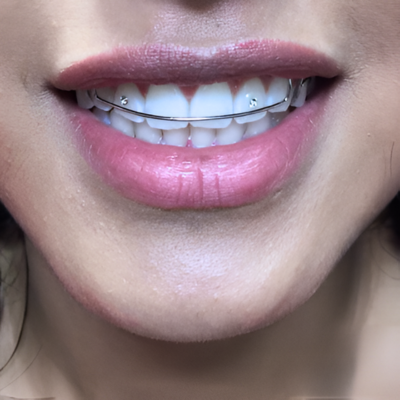
This is a fine stainless wire bonded to the back of your upper teeth. You cannot see it, and you cannot tell not to wear it. This is the most appropriate way of avoiding the most prevalent forms of relapse.
Removable Retainers
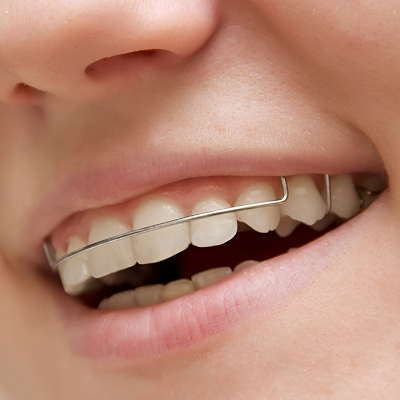
These consist of transparent plastic containers or plates made of wire and acrylic. Their use is excellent in holding the back molars in position, and cleaning your teeth is easy.
Common Myths of Post-Braces Life
Myth: My wisdom teeth will ruin my straight smile?
As opposed to common knowledge, the wisdom teeth hardly have sufficient power to dislodge all your other teeth. Nevertheless, a dentist may still insist on the removal of the overcrowded area in the mouth in the interest of your general health.
Myth: Once I turn 30, my teeth will stop moving.
Actually, the older we get, the more likely our teeth are to shift due to natural changes in our physiology. Retaining is as important at 50 as it is at 15.
The Secret to “Forever”!
Braces are a promise to your confidence and the health of your mouth. To defend that investment, you have to regard the day after you remove your braces as the first day of a new habit, rather than the final step of a process. Wearing your retainer as instructed, and visiting your dentist regularly so he checks up on you, you can be sure that the smile that you so hard-earned will always remain in the proper place.