Skip to content

Dental fillings are one of the most common dental procedures worldwide, used to treat cavities and restore damaged teeth. But many people wonder, “Are dental fillings risky?” In most cases, dental fillings are a safe and routine procedure.
However, like any medical treatment, there are some considerations to keep in mind. At our clinic, we prioritize your safety, comfort, and long-term oral health with every filling we place.
Quick Facts
- Procedure Time: 20–45 minutes per filling
- Anesthesia: Local anesthesia (numbing gel & injection)
- Pain Level: None during procedure; mild sensitivity possible after
- Results: Immediate restoration of tooth shape and function
- Longevity: 10–15 years, depending on material and care
Types and Safety of Dental Fillings
Dental fillings are used to repair teeth damaged by decay. The goal is to remove the decayed part, clean the area, and fill it with a durable material.
Common Filling Materials:
| Material | Pros | Cons | Average Lifespan |
| Composite (Tooth-Colored) | Natural look, bonds to tooth, less removal of healthy tooth | Slightly less durable, may stain over time | 5–10 years |
| Amalgam (Silver) | Very durable, cost-effective, long-lasting | Visible, contains mercury (safe in set form), requires more tooth removal | 10–15 years |
| Ceramic / Porcelain | Stain-resistant, very natural look | More expensive, may require multiple visits | 10–15+ years |
| Glass Ionomer | Releases fluoride, good for children or non-chewing surfaces | Less durable, wears down faster | 5 years |
Potential Risks with fillings and How We Manage Them
While generally safe, here are some possible risks and how we prevent them:
- Allergic Reaction: Rare, but some people may react to metals (amalgam) or composite materials. We discuss your medical history first.
- Tooth Sensitivity: Temporary sensitivity to hot or cold is common for a few days to weeks.
- Pain or Discomfort: If the filling is too high, it can cause discomfort when biting. We check and adjust it before you leave.
- Damage to Nerves or Pulp: Deep decay close to the nerve may require additional treatment like a root canal.
- Filling Failure: Fillings can crack, wear down, or fall out over time. Good oral hygiene and regular check-ups help prevent this.
The Step-by-Step Dental Filling Procedure:
- Consultation & X-Ray: We examine your tooth and take an X-ray to see the extent of decay.
- Numbing: We apply numbing gel and a local anesthetic so you feel no pain.
- Decay Removal: We remove the decayed part of the tooth using a dental drill or laser.
- Cleaning & Preparing: The area is cleaned and prepared for the filling.
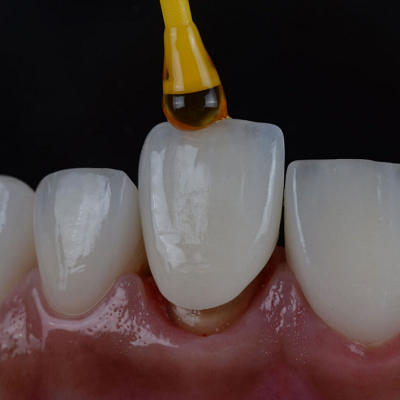
- Filling Placement: The filling material is placed in layers and hardened with a special light (for composite).
- Shaping & Polishing: We shape the filling to match your bite and polish it for a smooth finish.
Cost of Dental Fillings
The cost varies based on material, tooth location, and cavity size.
| Procedure | Cost Per Tooth (PKR) |
| Dental Filling | 8,000 per tooth |
The complexity of your case, the filling material you choose, and the clinic’s advancements are the factors that influence the price of the dental fillings.
Why Choose Us for Your Dental Fillings?
You should choose Dental Clinic Islamabad for the best dental filling in Islamabad because:
- Experienced Dentists: Our team led by Dr Usama Hayat is skilled in gentle, precise filling techniques.
- Safe Materials: We use high-quality, certified materials that are biocompatible and durable
- Pain-Free Approach: We ensure you are completely numb and comfortable throughout.
- Modern Technology: We use digital X-rays and advanced tools for accuracy.
- Personalized Care: We explain every step and choose the best filling material for your needs.
Follow-Up Care: We check your fillings during regular cleanings to ensure they are intact.
FAQS
How long does a filling last?
It depends on the material and your oral hygiene. Composite fillings last 5–10 years, while amalgam can last 10–15 years or more.
Can I eat right after a filling?
Wait until the numbness wears off (1–2 hours) to avoid biting your cheek. Avoid very hard or sticky foods for the first 24 hours.
What if my tooth hurts after the filling?
Mild sensitivity is normal. If you have sharp pain or discomfort when biting, contact us the filling may need a slight adjustment.
Are white fillings as strong as silver ones?
Composite (white) fillings are strong and ideal for front teeth or small cavities. For large back teeth cavities, amalgam or ceramic may be more durable.
Can I get a filling if I an pregnant?
Yes, dental fillings are generally safe during pregnancy. We recommend composite or ceramic fillings and avoid elective procedures during the first trimester when possible.
How do I know if I need a filling?
Common signs include tooth sensitivity, visible holes or dark spots, pain when chewing, or rough/sharp edges on teeth. Regular dental check-ups help catch cavities early.
Can a filling be replaced with a different material?
Yes, old amalgam fillings can be replaced with tooth-colored composite fillings for aesthetic reasons. We will assess the tooth's condition and recommend the best option.
Do fillings weaken teeth?
Properly placed fillings restore tooth strength. However, large fillings may require additional support like a crown to prevent fractures in heavily damaged teeth.
What happens if I don't get a cavity filled?
Untreated cavities will continue to grow, potentially reaching the tooth's nerve and causing severe pain, infection, or tooth loss. Early treatment is always simpler and less expensive.
How can I prevent needing fillings in the future?
Brush twice daily with fluoride toothpaste, floss daily, limit sugary foods and drinks, drink plenty of water, and visit your dentist every 6 months for cleanings and check-ups.