Skip to content
If your dentist has recommended a root canal, you may be wondering: Do root canals hurt? Thanks to modern dental technology and advanced anesthesia techniques, the answer is usually no. In fact, most patients find that a root canal relieves pain rather than causes it.
Root canals might sound scary if you have heard stories before. Yet modern treatments at the Dental Clinic Islamabad aim to feel calm and smooth, getting things fixed without drama. Pain relief comes first here, plus keeping your real tooth is always the goal when possible.
The Real Story Behind Root Canal Discomfort
Most people think root canals hurt. That idea stuck around from old methods used long ago, back when numbing medicine wasn’t what it is today.
Nowadays, having a root canal is much like receiving a filling. With local anesthesia at work, the spot being treated goes numb so you stay at ease during everything. Many people notice pressure or sensations, yet hardly any discomfort sneaks through.
Most people feel worse from the infected tooth than they do during the procedure. Removing the affected area brings fast comfort, since it clears out what’s causing the ache.
What Happen During Root Canal Procedure?
When you know what happens, the whole thing feels less heavy. A clear picture of steps takes sharp edges off worry.
1. Numbing the Tooth
Starting at the gum line, a small dose of numbing medicine goes into the spot. Because of this, any sensation during the work stays dulled. The whole time, your jaw remains relaxed without sharp feelings.
2. Removing the Infection
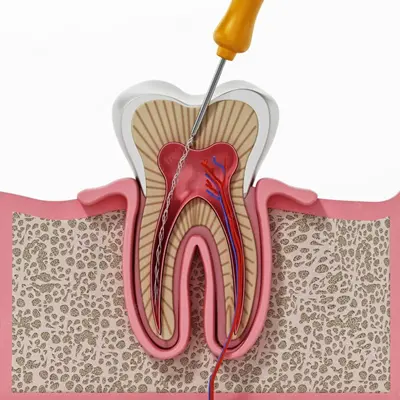
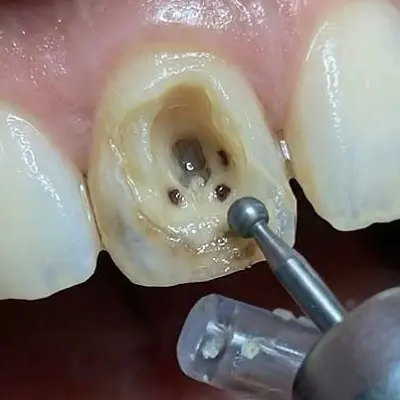
Inside the tooth, a tiny hole opens up so the sick pulp can be reached. From within the roots and chamber, ruined flesh along with germs and leftover waste get cleared out slowly.
3. Cleaning and Sealing
Waterways inside the tooth get cleared, then treated with a germ-killing solution. After that, they’re packed with a gentle substance that won’t harm body tissue. That step stops new bacteria from taking hold.
4. Restoring the Tooth
A single cap can hold up a repaired molar, shielding it while restoring daily use over time. Sometimes that fix lasts decade after decade without issue.
Why Root Canals Actually Reduce the Pain?
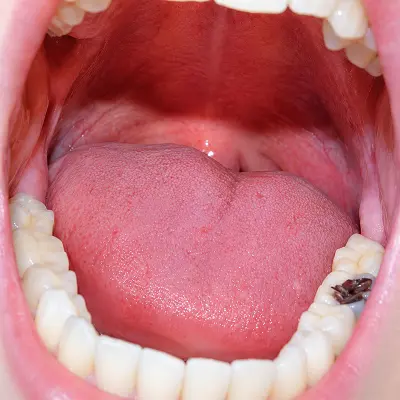
Most people think a root canal hurts, but that’s not what causes the ache. An infection inside the tooth is usually the real source of discomfort
- Persistent toothaches
- Sensitivity to hot and cold temperatures
- Swelling around the gums
- Pain while chewing
- Tooth discoloration
Removing the infection stops those problems, plus it keeps the tooth safe from more harm. The damaged part goes out, leaving the structure protected down the line.
What You Can Expect After Root Canal Therapy?
Most people feel some soreness following a root canal, lasting just a short while. That ache often fades fast, especially when using common pain relievers bought without a prescription.
You may notice:
- Mild soreness when chewing
- Slight gum sensitivity
- Temporary tenderness around the treated tooth
Some people get back to daily routines right away while noticing far less discomfort than what they felt prior to care.
Root Canal vs. Tooth Extraction
Most times, keeping your original tooth makes more sense than pulling it out. A few folks think extraction might be simpler than a root canal procedure. Root canal treatment offers several advantages:
- Saves your natural tooth
- Maintains proper chewing function
- Prevents neighboring teeth from shifting
- Requires less extensive treatment than replacing a missing tooth
- Often involves a quicker recovery than extraction
Most times, if it can be done, keeping your own teeth is what dentists suggest – natural ones simply work better over years. Though fixes exist, nothing beats the original when it comes to mouth health down the road.
Signs You May Need a Root Canal
Spotting signs early stops worse tooth issues later. A small problem today might avoid big trouble tomorrow. Common signs include:
- Ongoing tooth pain
- Prolonged sensitivity to hot or cold foods
- Swollen or tender gums
- Pain when biting or chewing
- A cracked or damaged tooth
- Darkening or discoloration of a tooth
Whenever possible, dentists recommend saving natural teeth because they provide the best long-term oral health benefits.
Root Canals Are More Comfortable With Todays Dental Care
These days, going through a root canal feels completely different. With sharper tools, clearer pictures from digital scans, because of better numbing methods, discomfort has dropped sharply. What once felt daunting now moves smoothly, thanks to upgrades hiding in the details.
Comfort arrives quietly, step by careful step. Some folks who feel nervous about dentist visits might choose sedation to ease tension during appointments. A calmer visit could come from using these methods instead of facing fear alone. Not everyone needs it, yet it remains an option when discomfort runs high. Relief often follows when the body slows down through gentle medical support.
Schedule Your Root Canal Consultation
Most people wonder if root canals cause pain, the truth is, they usually don’t. Thanks to advances in dental care, the treatment aims straight at stopping discomfort. It works well, keeps your original tooth intact. Healing your mouth’s health becomes possible without losing a tooth.
If you’re experiencing tooth pain or believe you may need a root canal, contact a Dental clinic Islamabad today. Our experienced team is committed to providing comfortable, compassionate dental care and helping you achieve a healthy, pain-free smile.