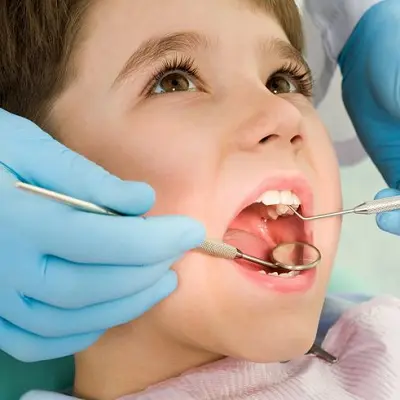
As a parent, it is a shock to be in a dental clinic and be told that your child has to have a cavity filled. You may ask yourself, ‘Is it normal for a 7-year-old to have a filling?’
The simple answer to this is yes, it is very normal. As a matter of fact, dental cavities (caries) represent one of the most prevalent chronic disorders in children across the globe. This is common in a busy city such as Islamabad, where candy and processed juices are readily available to the population.
We shall discuss in this guide why children require fillings and how the team at Dental Clinic Islamabad can make sure that the smile of your child remains healthy.
Why are 7-Year-Olds Getting Cavities?
At the age of seven, children generally have a combination of the so-called milk teeth (primary) and the first permanent molars. Tooth decay at this age is related to several factors:
- Thin Enamel: The enamel on the teeth of children is thinner than that of adult teeth, hence allowing the bacteria to easily chew through the tooth enamel to the sensitive dentin.
- Brushing Skills: The majority of 7-year-old children are still struggling to master the skills of brushing. They tend to overlook the back molars that are hard to access.
- Diet: High-frequency snacking of sticky candies, biscuits, or sweet drinks is a feast for plaque-causing bacteria.
- Deep Grooves: Permanent molars tend to develop deep pits and fissures, trapping particles of food.
The Importance of Filling Milk Teeth
The second myth is that there is nothing special about baby teeth since they just fall out at some point. Nevertheless, Dr Usama Hayat Ghauri, one of the foremost authorities in the field of restorative dentistry, stresses that primary teeth play an essential role. When a cavity in a 7-year-old is not treated, it may result in the following:
- Pain and Infection: Abscess may develop, and it is very painful; days at school are skipped.
- Space Problems: Milk teeth serve as substitutes for adult teeth. When a baby tooth is lost prematurely due to decay, the remaining teeth will shift, resulting in crooked permanent teeth and potentially expensive braces in the future.
- Infection of Permanent Teeth: The developing permanent tooth under a baby tooth, in fact, can be damaged by the infection.
What to Expect During the Procedure?
At a professional dental clinic in Islamabad, the intention is to ensure the experience is fear-free. Advanced paediatric dentistry incorporates the use of white composite fillings, which closely resemble the natural tooth colour and which adhere to the natural tooth structure itself, making it much stronger.
Pediatric Dental Fillings Vs. Preventive Care
| Feature | Dental Filling | Dental Sealants | Fluoride Varnish |
| Purpose | Fixes an existing cavity | Prevents future decay | Strengthens enamel |
| Procedure | Removing decay & filling | Protective plastic coating | Quick “painted-on” gel |
| Duration | 30–45 minutes | 10–15 minutes | 2 minutes |
| Pain Level | Requires numbing | Completely painless | Completely painless |
How to Prevent Future Cavities?
Although it is normal to have a filling, the idea is always to avoid a second filling. Three of the “Golden Rules” of parents are as follows:
- Supervised Brushing: Until the age of 8 or 9, the majority of children require a once-over by a parent to be sure that the back teeth are clean.
- The Power of Sealants: Ask your dentist. They are layers of a thin coating that are applied to the mouth surfaces of permanent molars to close out food and bacteria.
- Water Over Juice: Teach your child to drink plain water following snacks to help wash away the sugars and acids.
Final Thoughts!
When your child requires a filling at 7 years old, there is nothing to feel guilty about. Make it an educational experience to become better at oral hygiene. The appropriate treatment and frequent visits to the Dental Clinic Islamabad will help your child to make it through to their teenage years with a healthy, strong, and cavity-free smile.