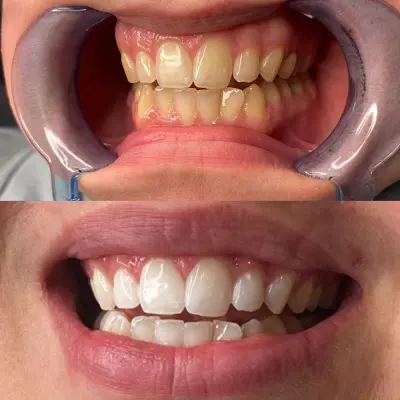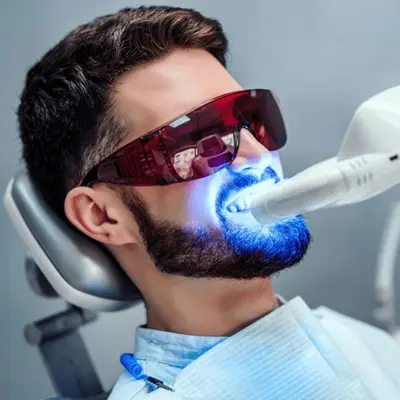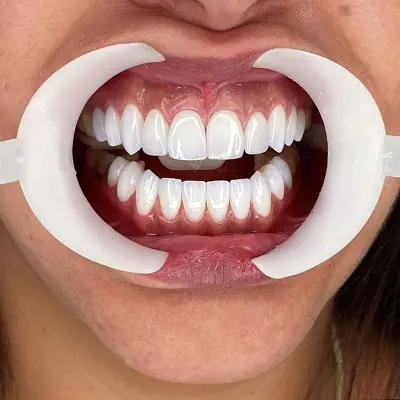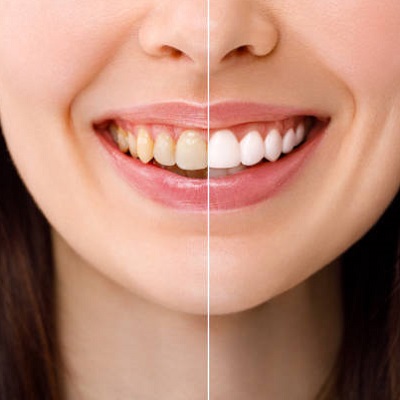
The final accessory is a bright, white smile. It makes one feel more confident, fosters a better first impression, and is usually viewed as a sign of well-being and energy. But, with the increase in the need to have teeth whitening in Pakistan comes another major issue: Does teeth whitening damage enamel?
There are a lot of fears that the chemicals that are used to whiten the stains will make their teeth thin or permanently sensitive. At the Dental Clinic, Islamabad, we think that the secret of a healthy smile is transparency.
Understanding Your Enamel:
The outer layer of your teeth is a thin, translucent layer known as enamel. It is the most difficult matter in the human body, even harder than bone. It has the major duty of shielding the sensitive dentin and pulp within the tooth against rot and fluctuation of temperatures.
In contrast to the skin or even bone, enamel does not have living cells and cannot regenerate after being physically damaged. This is the reason why the issue of damage is so vital.
The Role of Teeth Whitening:
You must know chemistry to know whether whitening is damaging or not. Professional whitening procedures normally involve the use of hydrogen peroxide or carbamide. Peroxide.
e bleaching agents do not sand or scrub the enamels. They instead enter through the porous structure of the enamel to the discoloured molecules (chromogens) within the tooth. The bleach removes the colour of these stains by a process known as oxidation, where the chemical bonds in these stains are broken.
When done properly, whitening does not take away or permanently destroy the enamel structure. It simply “cleans” the internal pigments.
What is the reason Sensitivity occurs?
And yet, should the enamel not be damaged, why do other individuals experience the sensation of a zing during or after treatment?
As the whitening gel exposes the pores of your enamel and opens them to remove the stains temporarily, it temporarily exposes the nerves to temperature signals (cold water or air). This is a transitory dehydration, according to Dr Sundas Rashid Gilani. When your saliva has replenished the tooth surface, which may take up to 24 to 48 hours, those pores seal, and the sensitivity is gone forever.
Comparison Table of Whitening Safety and Effectiveness:
| Feature | Professional Whitening | DIY Methods | Abrasive Home Remedies |
| Enamel Safety | 100% Safe (Non-Abrasive) | Moderate Risk | High Risk (Sandpaper Effect) |
| Gum Protection | Clinical Barriers Applied | None (Risk of Burns) | None |
| Acid Level | PH-Balanced | Variable/Unknown | Highly Acidic |
| Supervision | Dr. Sundas Rashid Gilani | Self-Applied | None |
| Sensitivity Risk | Minimal & Managed | High | Permanent Damage |
The Real Reason for Enamel Damage:
Professional bleaching is a safe procedure, but a number of natural or inexpensive ones can lead to the irreversible loss of your enamel.
1. The First Ingredient is Charcoal & Baking Soda
These are very scathing. They do not make the tooth whiter on the inside; they literally grind off the top of the enamel. This ultimately exposes the yellow dentin below, leaving your teeth yellowish in appearance as time passes, leaving them not only susceptible to decay but also making them look yellower.
2. Lemon Juice and Vinegar
There are DIY hacks that propose the use of fruit acids to clean teeth. The calcium in your enamel (demineralisation) is immediately dissolved by the acid. This causes the teeth to thin very fast, become extremely painful, and also poses a high risk of cavities.
3. Over-Whitening
Technicolor teeth can be caused by using white strips or generic gels every single day over a period of months. This is where the teeth are unnaturally transparent, blueish-grey, and very brittle.
The Importance of a Clinical Pre-Screening:
A pre-whitening check-up is mandatory, and it is one of the reasons why a person should visit a professional at the Dental Clinic, Islamabad. Dr Sundas Rashid Gilani is making sure that your mouth is healthy enough to do the procedure.
In case of an undiagnosed cavity, a broken tooth, or recession of the gum, the whitening gel may get into the root or nerve chamber of the teeth. It not only hurts, but it can also result in internal inflammation or a root canal. Before the process of whitening starts, it is the responsibility of a professional dentist to make sure that all the leaks are closed.
How to Keep a White, Healthy Smile?
As soon as you get your dream shade, it is a collective responsibility to keep it safe. To maintain your enamel health and your smile bright, we suggest:
- The 48-Hour White Diet: Do not consume tea, coffee, turmeric (haldi), or dark sodas directly after treatment when you are closing pores in your enamel.
- Fluoride Treatments: Fluoride toothpaste is used to make the enamel stronger and rehardened with the help of remineralisation.
- Professional Cleanings: Standard scaling and polishing can eliminate the surface plaque and tartar, and your whitening will take much longer.
Is Teeth Whitening Worth It?
Whitening is one of the most examined and safest cosmetic procedures in advanced dentistry. It provides an incredible confidence spurt and may save years off your face without invasive surgery or drilling.
Nevertheless, your enamel is as safe as your provider and the materials that he/she uses. You are making a long-term investment in your long-term dental health, not a short-term treatment that may cause more harm than good, which is the direction you are heading by selecting a clinical setting.
Are You Ready to Change Your Smile and Be Safe?
Professional consultation at Visit Dental Clinic, Islamabad. Our team and Dr Sundas Rashid Gilani are ready to help you have a healthy and radiant glow to keep your enamel glowing forever.