After receiving fractured tooth treatment in Islamabad, a common and important question is: “How long will this repair last?” The lifespan of a restored tooth depends heavily on the type of fracture, the treatment performed, the materials used, and, most importantly, your ongoing oral care. At Dental clinic Islamabad, we use high-quality materials and techniques to maximize the longevity of your repair.
Quick Facts
- Treatment Options: Bonding, Crown, Root Canal + Crown
- Procedure Time: 1-2 visits
- Anesthesia: Local anesthesia
- Pain Level: None during procedure
- Average Lifespan: Varies by treatment (5-15+ years)
- Key to Longevity: Excellent oral hygiene
Benefits of Professional Fractured Tooth Repair:
- Restores Function: Allows you to chew and speak normally.
- Eliminates Pain: Treats the nerve exposure causing sensitivity.
- Prevents Infection: Seals the tooth from bacteria.
- Saves the Natural Tooth: Avoids extraction and the need for an implant or bridge.
- Improves Aesthetics: Returns your smile to its natural, complete appearance.
Lifespan Expectations by Treatment Type
The durability of your repair is directly linked to the solution provided by the best dentist in Islamabad.
Treatment & Expected Lifespan:
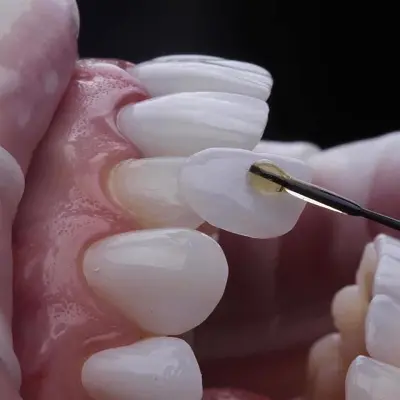
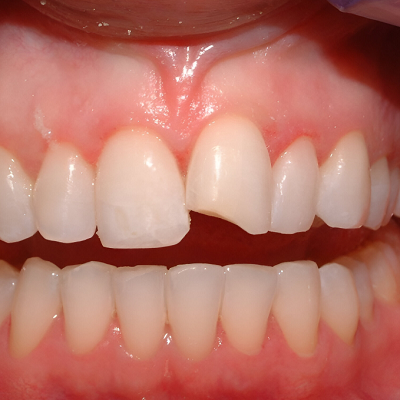
Dental Bonding (for small chips):
- Lasts 3-7 years.
- It is a conservative fix but can stain or chip over time.
Dental Crown (for larger breaks):
- Lasts 10-15 years on average, and often much longer with care.
- A crown fully encases and protects the remaining tooth structure.
Root Canal + Crown (for deep fractures):
- The crown lifespan is similar (10-15+ years).
- The root canal itself can last a lifetime if the tooth remains decay-free and the crown seal remains intact.
What Determines How Long the Dental Fracture Repair Lasts?
- Oral Hygiene: Brushing, flossing, and regular cleanings are critical.
- Habits: Avoiding chewing hard objects (ice, pens, nuts) extends the life of any repair.
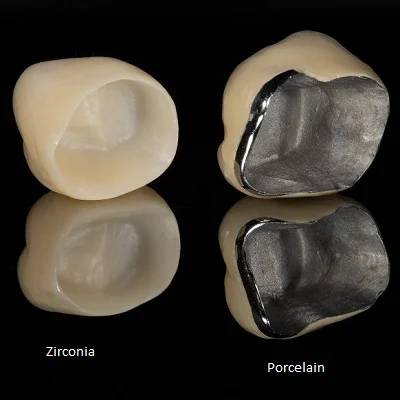
- Material Quality: Porcelain-fused-to-metal (PFM), all-ceramic, or zirconia crowns have different strengths and aesthetics.
- Precision of Fit: A crown fabricated with digital scanning and crafted by a skilled lab technician fits better and lasts longer.
Cost of Fractured Tooth Repair in Islamabad
The investment varies based on the treatment required to save your tooth.
| Treatment for Fractured Tooth | Estimated Cost (PKR) | Typical Lifespan |
| Composite Dental Bonding | 5,000 to 12,000 | 3-7 years |
| Porcelain/Ceramic Crown | 20,000 for porcelain | 10-15+ years |
| Root Canal Therapy | 20,000 per tooth | 10-15+ years |
Factors Affecting the Cost and Longevity:
- Severity of the Fracture: A simple chip vs. a crack extending below the gumline.
- Type of Restoration Material: High-strength zirconia or E-max crowns cost more but offer superior durability and aesthetics.
- Need for Additional Procedures: Gum treatment or post build-up before a crown.
- Your Commitment to Maintenance: Regular dental visits for check-ups are essential.
Why Choose Dental Clinic Islamabad for Your Fractured Tooth Repair?
- Our dentist Dr Usama Hayat is the best dentist in Islamabad.
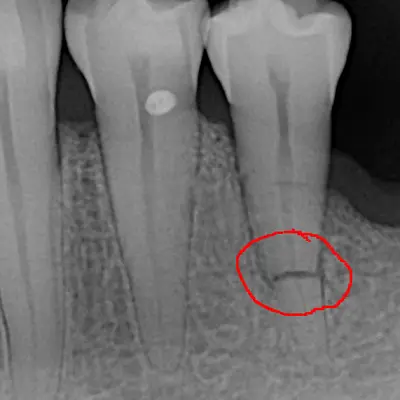
- We use digital X-rays and scans to see the full extent of the crack and plan the best treatment.
- We partner with premium dental labs to craft durable, natural-looking crowns and restorations.
- We utilize digital impression technology for a perfect, comfortable fit that protects the tooth.
- We provide specific advice on how to care for your repaired tooth to make it last as long as possible.
- We monitor your restoration at every check-up to ensure its integrity.
FAQS
What usually causes a repaired tooth to fail?
The most common reasons are new decay forming at the margin where the crown meets the tooth, or a fracture in the remaining natural tooth structure.
How can I make my dental crown last longer?
Practice excellent oral hygiene, floss daily around the crown, avoid using your teeth as tools, and wear a nightguard if you grind your teeth.
Will I need to replace the crown eventually?
Most dental crowns will need replacement after 10-15 years due to normal wear and tear or marginal decay, but many last far longer.
Is a crowned tooth more likely to fracture?
No, A well-fitted crown protects the underlying tooth by holding it together and distributing chewing forces.
What happens if the tooth fractures again under the crown?
This is a serious complication and may require tooth extraction if the new fracture is severe. This highlights the importance of protecting the crown.
Does a bonded tooth require special care?
Yes, Avoid biting directly into very hard foods with the bonded tooth, as the composite material is not as strong as natural enamel or a crown.
How will I know if my repaired tooth is failing?
Signs include sensitivity, pain when biting, a foul taste, swelling of the gums, or if the crown feels loose. Contact us immediately if you notice any of these.
How often should I have my repaired tooth checked?
We will examine the integrity of the restoration during your routine dental check-up and cleaning, which should occur every six months.