When a tooth becomes damaged or painful, many people face a difficult decision. Should the tooth be saved with a dental crown, or is extraction the better option? Although both treatments are common in modern dentistry, they serve very different purposes. Understanding how each option works can help you make a confident and informed choice.
The right decision usually depends on the condition of the tooth, your long-term oral health, and your future dental goals.
Understand the Purpose of a Dental Crown
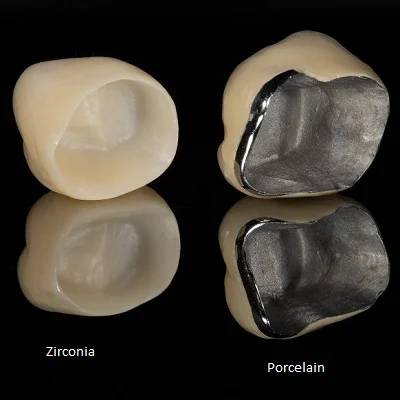
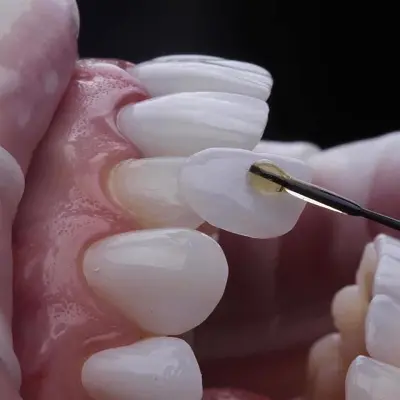
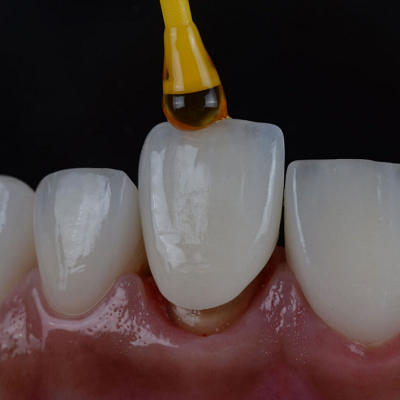
- The dental crown is meant to protect a tooth and strengthen a weak or damaged one. It envelops the visible part of the tooth and restructures its form, functionality and look.
- Crowns are being prescribed when the tooth root itself is healthy, but the outer structure is damaged. The treatment is based on tooth preservation which will assist in keeping the natural teeth as long as possible.
What Does Tooth Extraction Actually Mean?
Tooth extraction involves completely removing the tooth from the jaw. Dentists typically suggest this option when the tooth is too damaged to repair or poses a risk to surrounding teeth. While extraction can quickly relieve pain, it also leaves an empty space that may require further treatment.
Over time, tooth loss can lead to bone loss and shifting of nearby teeth. Consequently, this may negatively affect long-term oral health if the missing tooth is not replaced.
Dental Crown Vs Tooth Extraction Key Difference
The main difference lies in the goal of treatment. A dental crown aims to save and restore the tooth, whereas extraction removes the problem entirely. In most cases, dentists prefer conservative treatments like crowns, especially when the tooth is still functional.
Choosing a crown supports restorative dental care, while extraction is usually considered a last resort.
When a Dental Crown is a More Ideal Solution
A dental crown is often the ideal solution when the tooth can still be preserved. Keeping the natural tooth helps maintain jaw strength and bite balance. Dentists commonly recommend crowns in the following situations:
- The tooth has a large filling
- There is a crack, but the root is healthy
- The tooth has undergone root canal treatment.
- You want to maintain natural chewing function
When Removal of Teeth Becomes Necessary
In some cases, saving the tooth is no longer possible. At this point, extraction becomes necessary to protect surrounding teeth and oral structures. Dentists usually recommend removal when:
- Severe decay reaches the tooth root
- Infection spreads into the jawbone
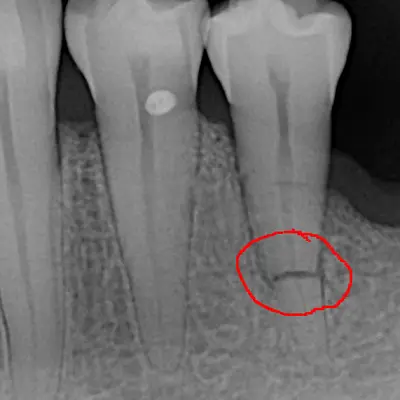
- The tooth fractures below the gum line
- Advanced gum disease causes extreme looseness
Cost Between Tooth Extraction and Dental Crown in Islamabad
The cost of tooth extraction and dental crowns in Islamabad usually impacts decision-making. Although crowns might appear to be costly at first, the extraction process can result in other replacement expenses. Whereas extraction is cheaper in the short run, alternatives such as implants or bridges are more expensive in the long-run.
| Treatment Option | Estimated Cost |
| Dental Crown | PKR 20,000 for procline |
| Tooth Extraction | PKR 8,000 per tooth |
Replacement Needs After Tooth Extraction
Most patients need to replace a missing tooth to avoid future complications. As a result, treatment time, cost, and maintenance may increase. Common replacement options include:
- Dental implants
- Fixed bridges
- Removable dentures
Choosing the Ideal Dental Environment in Islamabad
Accurate diagnosis and proper treatment planning are essential for the best outcome. A reliable Dental Clinic Islamabad carefully evaluates tooth structure, infection risk, and patient needs before recommending a crown or extraction. Clear communication ensures patients understand both options and their long-term benefits.
Last Reflections on Crown Vs Extraction
A dental crown is superior to tooth extraction in most instances in which the tooth can be saved. The crowns protect natural form, offer balance to the mouth, and minimize complications in the long run. Only in the case of severe damage or uncontrolled infection, extraction is required. A sensible consideration of the health of the teeth and future dental needs is always a good option.