Skip to content
Dental bone grafting plays a vital role in rebuilding lost jawbone and creating a strong foundation for dental implants, dentures, and other restorative treatments. When bone loss happens due to tooth extraction, gum disease, or injury, it can affect both oral health and facial structure over time.
At Dental Clinic Islamabad, Dr. Ahsan Rush provides advanced dental bone grafting using modern technology and precise planning. Since many patients ask about the dental bone graft cost in Islamabad, this guide explains the procedure, pricing factors, and what the treatment includes.
What Is Dental Bone Grafting?
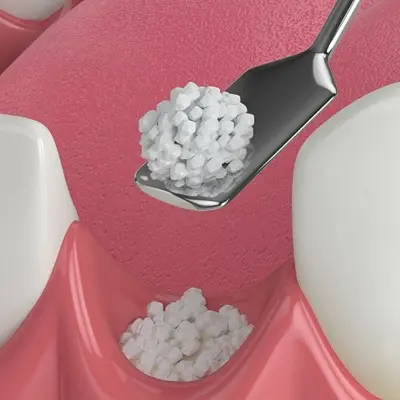
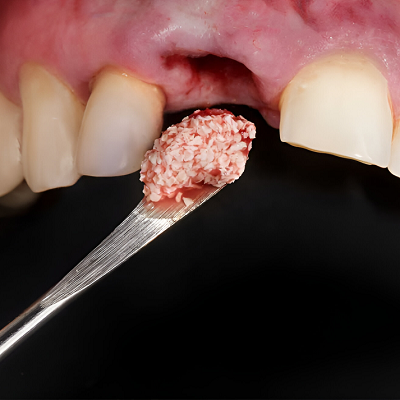
Dental bone grafting involves placing specialized graft material into areas of the jaw where bone has weakened or deteriorated. As healing begins, the graft supports new bone growth and helps the body regenerate healthy bone naturally.
Common Reasons for Bone Grafting:
- To prepare the jaw for dental implants
- To preserve bone after tooth extraction
- To treat bone loss caused by periodontal disease
- To repair jaw defects due to trauma, cysts, or infection
Types of Bone Grafts Used
| Graft Type | Description | Best For |
| Autograft | Bone taken from your own body (chin or hip) | Large defects, highest success rate |
| Allograft | Processed donor bone | Common option, no second surgical site |
| Xenograft | Animal-derived bone (usually bovine) | Biocompatible and widely available |
| Synthetic | Lab-made bone substitute | Allergy-free, consistent quality |
Dental Bone Graft Procedure in Islamabad with Dr Us
1. Consultation & 3D Scan
First, Dr. Ahsan Rush carefully evaluates bone loss using advanced CBCT and 3D imaging.
2. Treatment Planning
Next, he selects the most suitable graft type and surgical approach based on your condition.
3. Anesthesia
Local anesthesia ensures a comfortable and pain-free experience.
4. Incision & Graft Placement
Then, the dentist places the graft material precisely into the affected jawbone area.
5. Membrane & Closure
In many cases, a protective membrane supports healing, and the gums are sutured securely.
6. Healing Phase
Afterward, new bone forms gradually over 3–6 months, depending on graft size and type.
7. Implant Placement
Finally, once healing is complete, dental implants can be placed safely and securely.
Cost of Dental bone graft in Islamabad
The cost of dental bone grafting in Islamabad usually ranges between PKR 35,000 and PKR 40,000. However, the final price depends on individual treatment requirements.
At Dental Clinic Islamabad, Dr. Ahsan Rush follows a transparent pricing policy, so patients clearly understand the procedure and associated costs before treatment begins. After a personalized consultation and detailed 3D scan, the exact cost is determined based on bone condition and treatment complexity.
Factors Affecting Bone Graft Cost
- Graft Material: Autografts may cost more due to the need for an additional surgical site
- Size of Defect: Larger bone deficiencies require more graft material and surgical time
- Technology Used: Advanced 3D imaging, guided surgery, and premium membranes can affect pricing
- Additional Procedures: Tooth extractions, dental implants, or sinus lift procedures may increase the overall cost
Why Choose Dr. Ahsan Rush for Bone Grafting?
- Specialist in Oral Surgery: Advanced expertise in bone grafting and implantology
- Modern Technology: Uses CBCT scans and 3D-guided planning for precision
- High Success Rates: Consistent results with proper bone integration
- Patient-Focused Care: Clear communication and customized treatment plans
- Comprehensive Follow-Up: Ensures smooth healing and long-term success
If you are considering bone grafting, schedule a consultation at Dental Clinic Islamabad today. Dr. Ahsan Rush will evaluate your condition and guide you toward a safe, effective, and long-lasting solution.
FAQS
Is dental bone grafting painful?
The procedure is performed under local anesthesia, so you won’t feel pain during surgery. Post-operative discomfort is usually mild and manageable with prescribed medication.
Can a bone graft fail?
Bone graft failure is rare, but factors such as smoking, infection, or poor oral hygiene can affect success.
How long does it take to heal after a bone graft?
Healing time varies depending on the size and type of graft, but it typically takes 3 to 9 months for the bone to integrate properly. Minor grafts may heal faster.
How long before I can get dental implants after grafting?
In most cases, implants can be placed after 4–6 months, once sufficient healing has occurred.
Are there non-surgical alternatives to bone grafting?
Small bone defects may sometimes be managed with growth factors or PRF, but bone grafting remains the gold standard for significant bone loss.
Why would I need a dental bone graft?
Bone grafting is often required before dental implant placement when bone density is insufficient. It may also be needed after tooth extraction to preserve the socket, for periodontal disease treatment, or to repair bone loss caused by injury or infection.